Exhibitions

Alchemy, Art and a Rural Residency with Chantal Powell
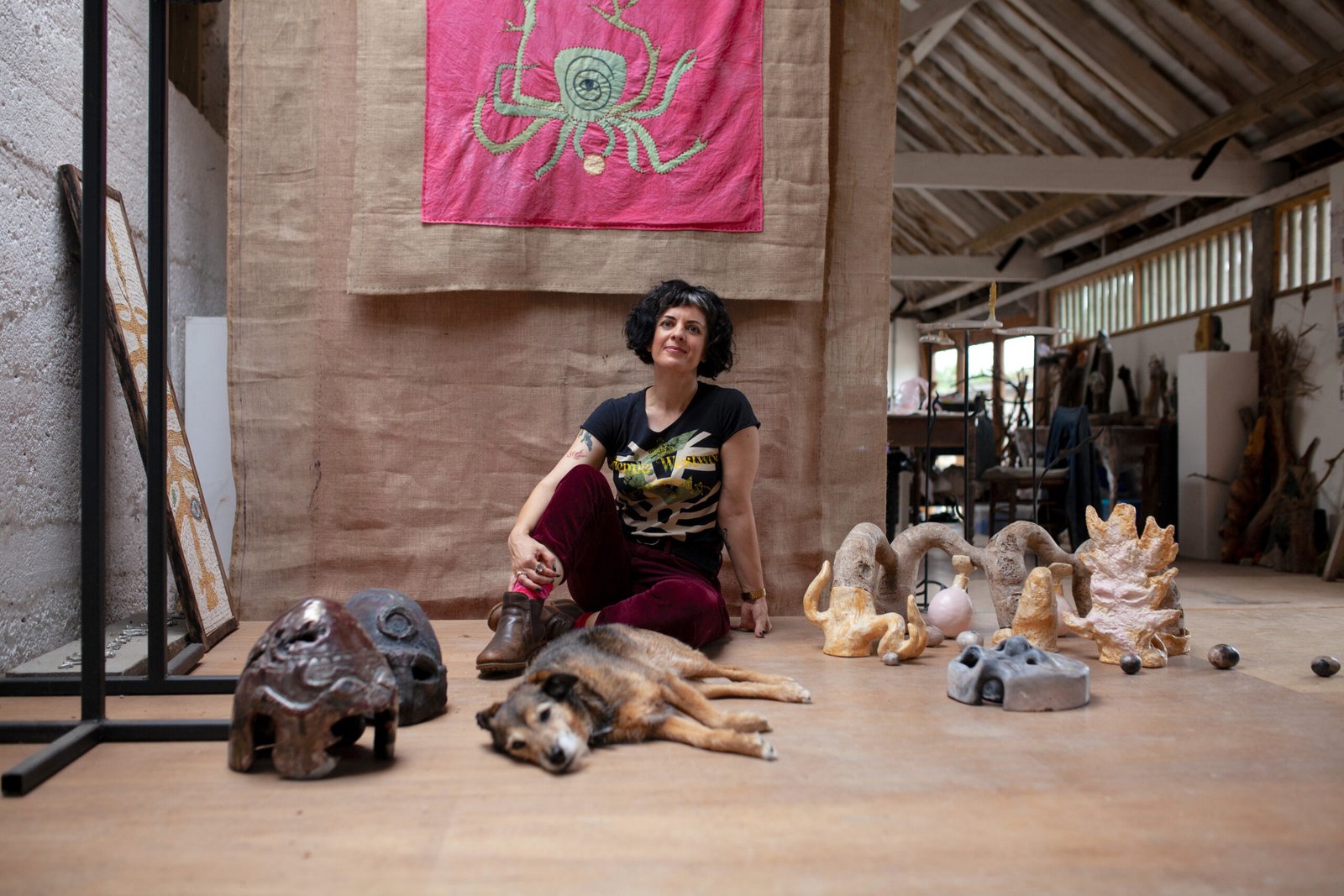
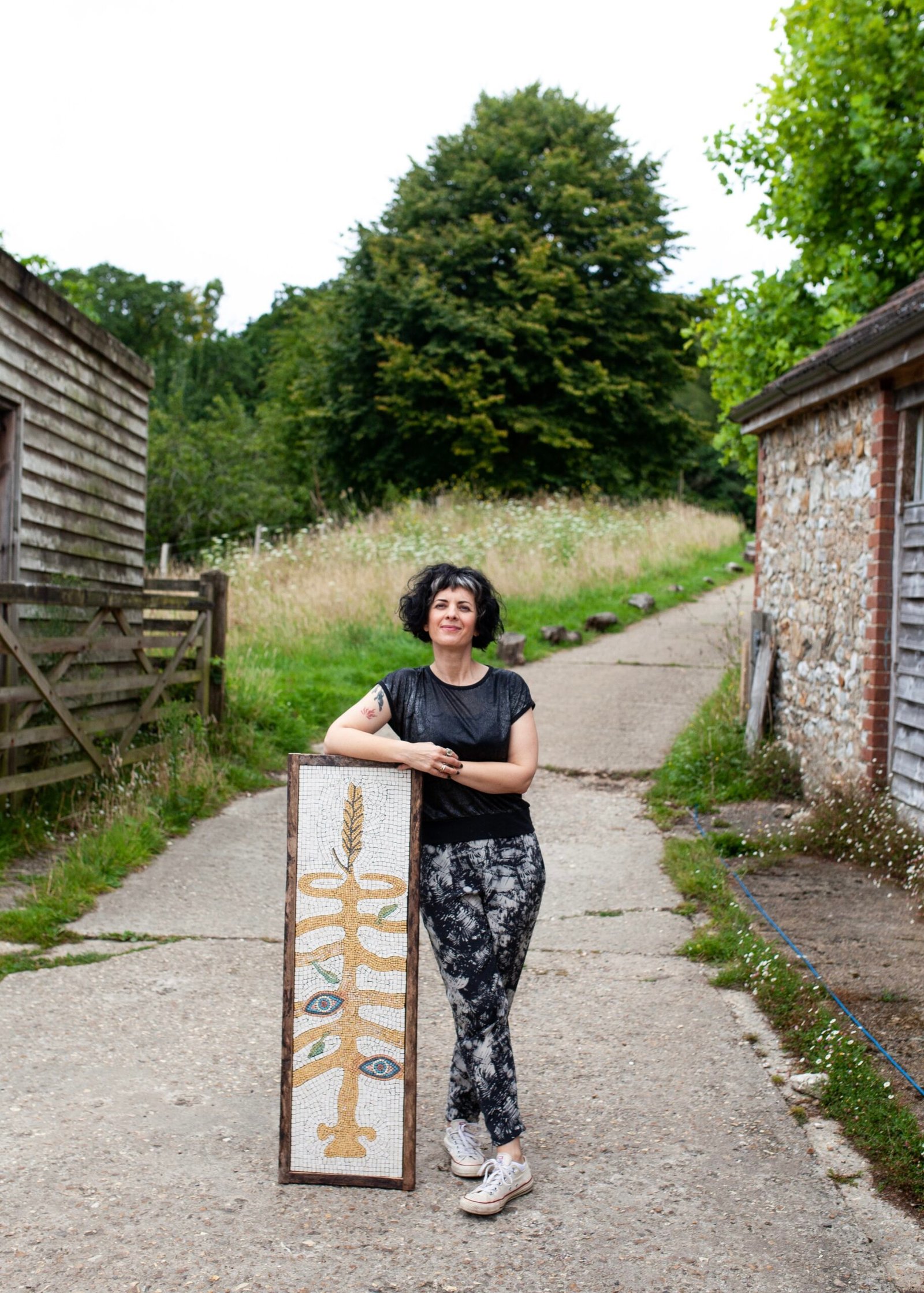
Deep in rural Dorset, amidst rolling fields and a stone's throw from the history-rich and fossil-strewn Jurassic Coast, artist Chantal Powell has built a practice that is as much about introspection as it is about connection. Her work, deeply rooted in Jungian psychology and the exploration of archetypal symbols, resonates with themes of alchemy, mythology, and the unconscious. But Chantal’s influence extends beyond her creative output; through projects like the Hogchester Arts Residency and The Red Book Club, she fosters a network of collaboration, dialogue, and shared exploration.
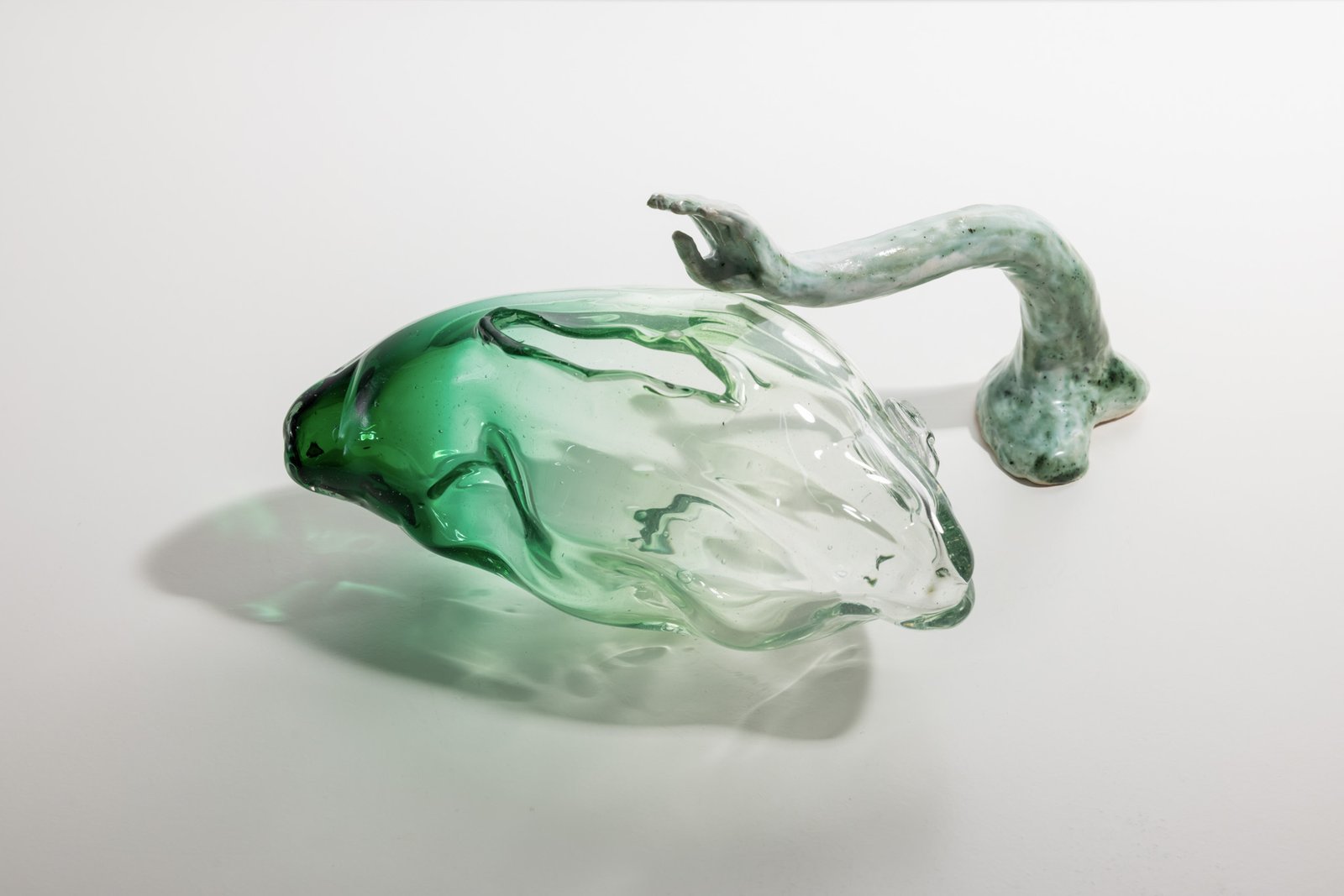
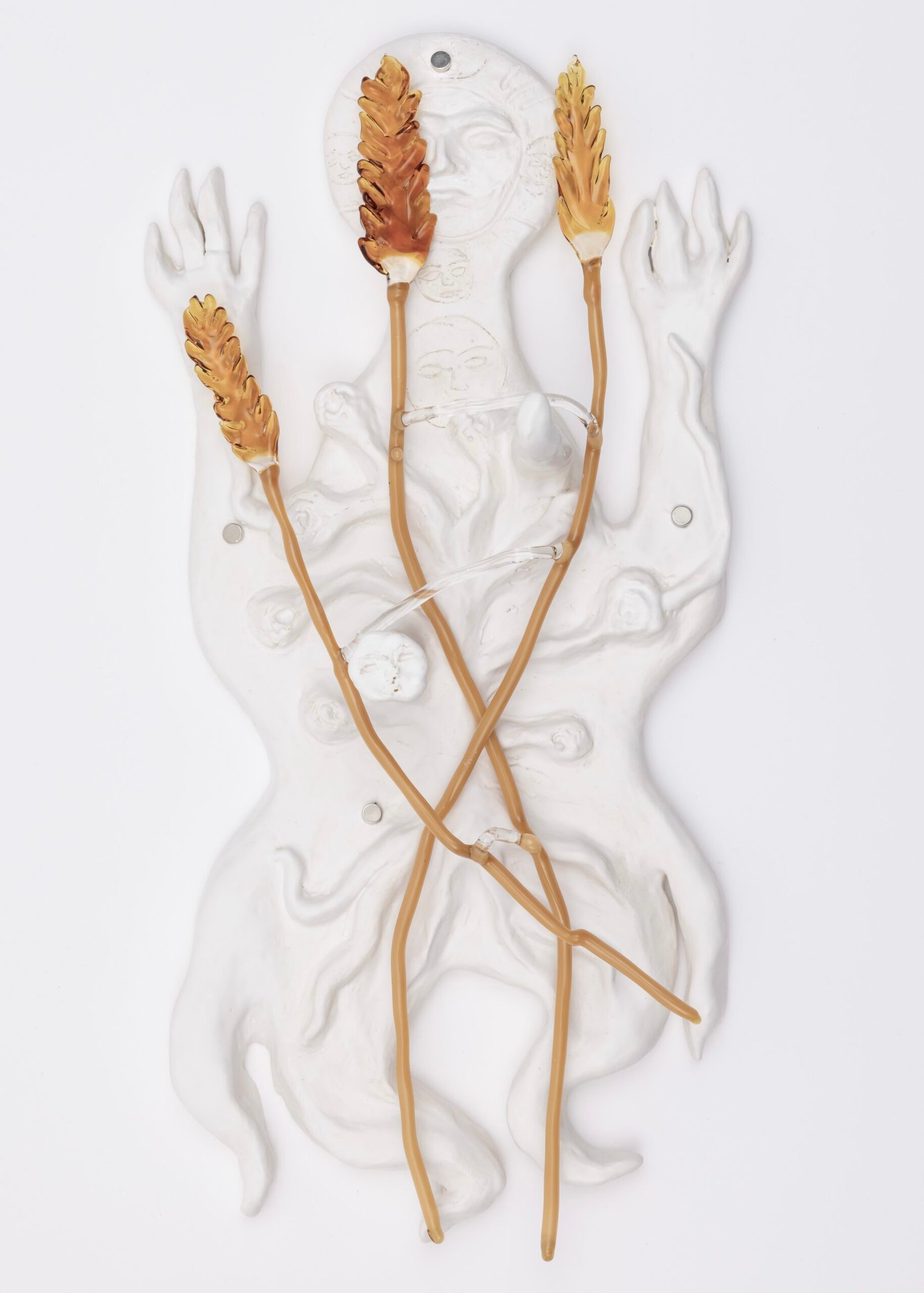
“I never expected to merge my background in psychology with my art,” Chantal says, reflecting on her journey. “But during a period of severe chronic ill health, I discovered Jungian thinking. The idea of the collective unconscious really resonated with me, and when I was able to create again, it deeply informed my practice.” This fusion of art and psychology has led to what Chantal describes as “a relationship with symbols.” Her process involves diving into motifs like the vessel or dismemberment, researching across myth, alchemy, and personal active imagination to uncover their living, symbolic language.
Hogchester Arts began as a response to Chantal’s unique circumstances - rural isolation compounded by chronic health challenges. “At the time, I was living in this idyllic place with a beautiful studio, but I felt incredibly disconnected,” she explains. “It seemed like a win-win to invite artists here, especially those used to urban environments, offering them a shift in perspective and allowing me to foster conversation and community.”
Over the past seven years, the residency has welcomed more than 40 artists. Initially open-call, it has since transitioned to an invite-only model. “When I first started, we were looking for proposals related to the environment here. But we found it more interesting to let artists come without a plan and respond organically to the space.” Today, Chantal’s selections often reflect her admiration for an artist’s practice or her desire to have meaningful conversations with them.
These interactions have led to unexpected synergies. “Some artists have formed lasting friendships or even gone on to collaborate,” Chantal notes. “One of my favourite examples is pairing Matt Chivers and Thom Trojanowski. They didn’t know each other before the residency, but their shared interests created an instant bond. It’s wonderful to see connections like that unfold.”
The rural Dorset landscape plays an active role in the residency experience. “I like to think of it as the third or fourth personality in the mix,” Chantal says. “The environment has this almost personified presence, and it’s fascinating to see how artists respond to it.” The impact of the landscape often extends beyond the residency. “It’s always lovely to see my home reflected in someone else’s work,” she shares, referencing Emma Cousin’s and Martyn Cross’s post-residency exhibitions, where Dorset’s influence became a lasting element.
While the residency fosters intimate, face-to-face connections, Chantal’s Red Book Club creates a different community. Founded during the lockdown, the online book club has grown into a vibrant space for discussing Jungian psychology, art, and the imagination. “It started with five people on Zoom,” Chantal recalls, “but it’s now over 600 members worldwide.”
The club has attracted guest speakers like authors Amy Hale, Jennifer Higgie, and Patrick Harper, drawing in a diverse audience of artists, academics, and thinkers. “It’s a mix of perspectives that makes the conversations so rich,” Chantal says. “And although it started out of desire to connect during lockdown, it’s become a joyful part of my practice - another way to connect, share ideas, and foster collaboration.”
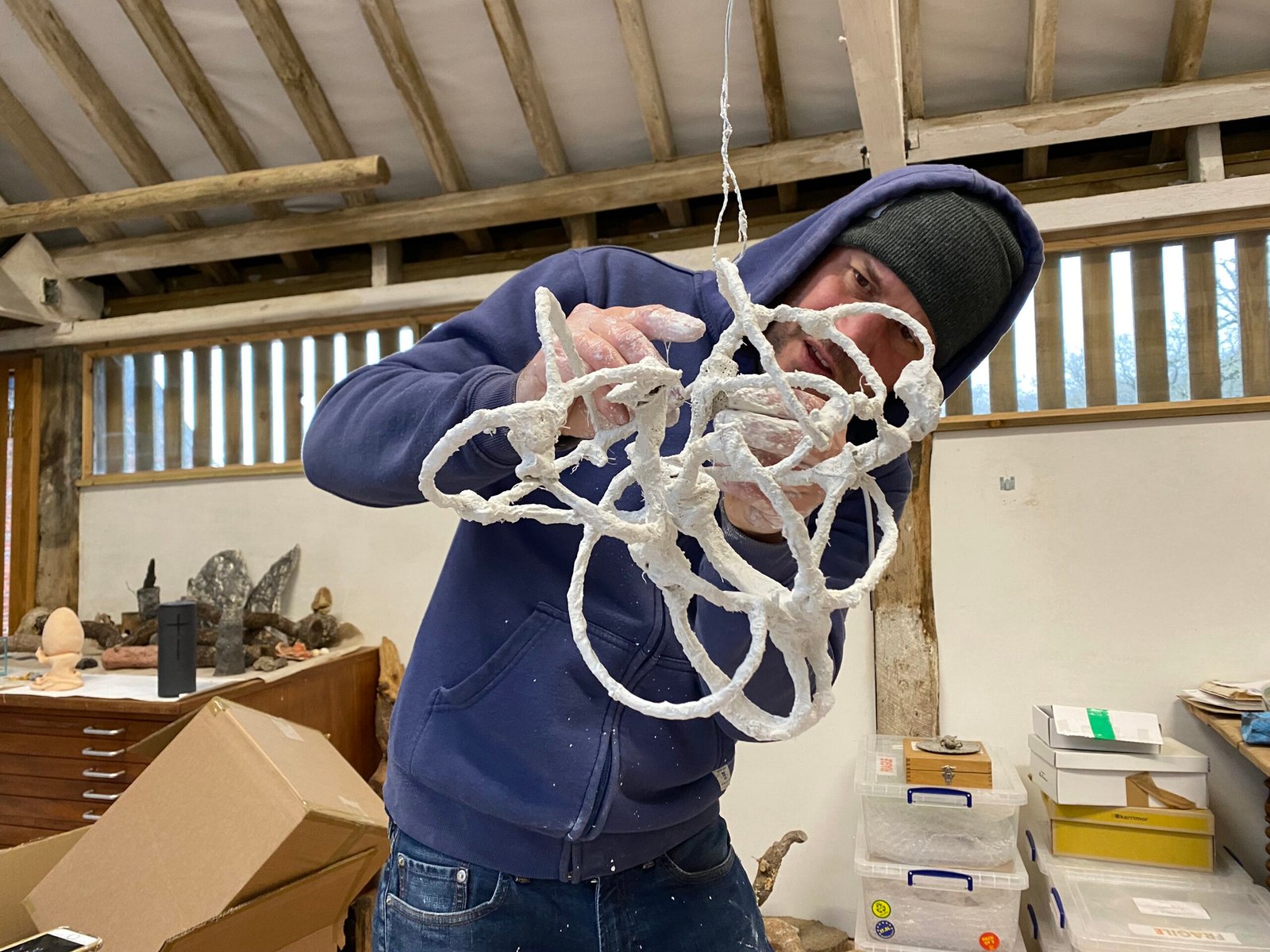
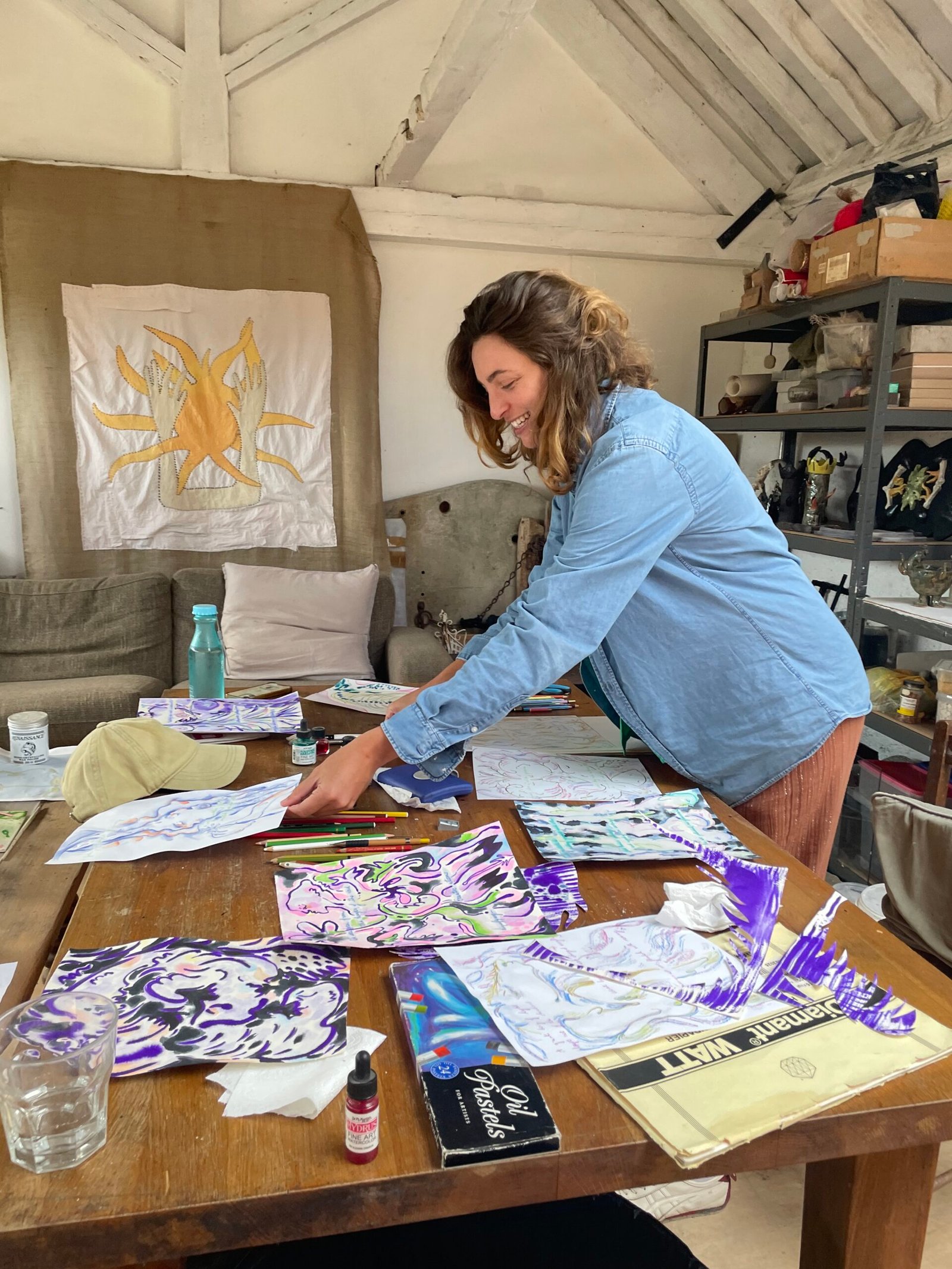
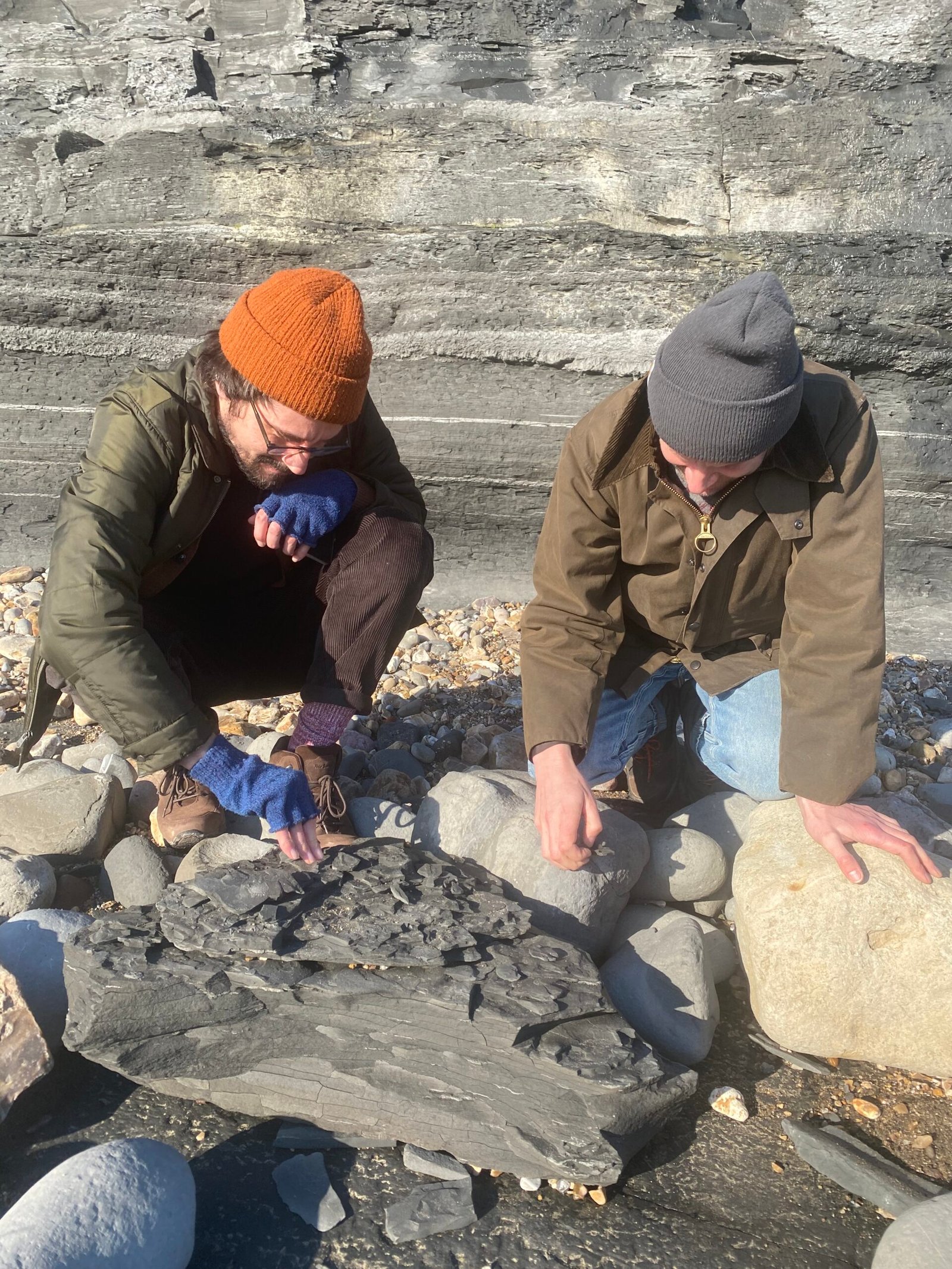
Chantal reflects on the contrasting dynamics of her residency and book club: “The residency allows for depth - long, unhurried conversations in person. The book club, on the other hand, offers incredible breadth, reaching a global audience and creating connections that sometimes develop into deeper relationships.”
Her dual approach mirrors her artistic practice, which combines rigorous research with intuitive creation. “Each day starts with reading and making notes,” she explains. “I’m diving deeper into alchemy, exploring its inner, symbolic aspects. It’s a combination of structured research and learning, and intuition, and they’re coming closer together in my work.”
As Chantal embarks on a significant new body of work, she feels a sense of clarity in her practice. “The last couple of years have felt like everything is coming together,” she says. “I’ve found a balance between the research and making, and I’m excited for what’s next.”
Her plans include continuing her archetypal symbol courses - the next focusing on the spiral - and working on a 2026 institutional show that will combine art with academic collaboration. “I’m excited by the alchemical process of bringing different voices and disciplines together,” Chantal says. “There’s so much potential in finding those unexpected synergies.”
Through Hogchester Arts, The Red Book Club, Jungian teaching, and her own artistic evolution, Chantal Powell exemplifies the power of creating connections. Whether it’s a shared conversation under Dorset’s wide skies or a virtual gathering across continents, her work reminds us of the possibilities that emerge when art becomes a bridge between individuals, disciplines, and ideas.
More Media
March 11, 2026
In this special episode – in collaboration with the spring issue of Get Hastings magazine – George speaks with singer-songwriter Alexander Wolfe at Amici Studio in Hastings. Known for his deeply personal songwriting, Wolfe reflects on the release of his new album Everythinglessness and the experiences that shaped it. The conversation explores themes of masculinity, mental health, recovery and creative honesty, as well as Wolfe’s journey from South East London to Hastings and the role music has played in navigating identity and change. Together they discuss the importance of community, vulnerability and connection, and how these ideas continue to shape both Wolfe’s work and his life.
March 11, 2026
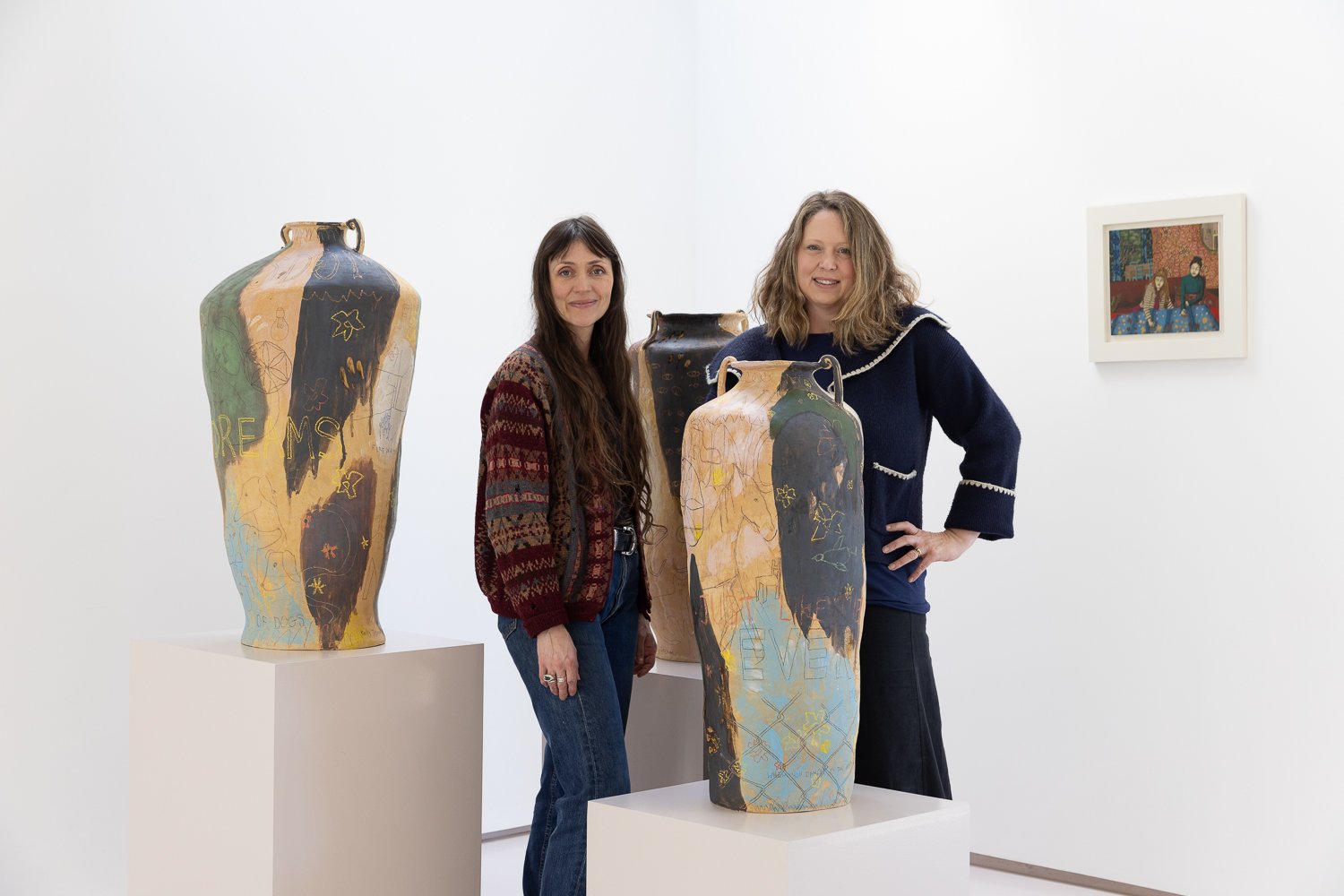
In this conversation George speaks with artist and Project Art Works co-founder Kate Adams at the Project Art Works gallery in Hastings. Having first encountered the organisation through its Turner Prize nomination in 2021, George was keen to talk with Kate about the origins and evolution of Project Art Works and the community that has grown around it. The conversation explores how the organisation began as a way for Kate to better understand and support the creative life of her son Paul, who has complex support needs, and how it has since developed into an internationally recognised collective working at the intersection of art and care. Surrounded by paintings by Project Art Works artist Christopher Tite, they discuss studio practice, collaboration and the relationships that sustain creative communities.
February 11, 2026
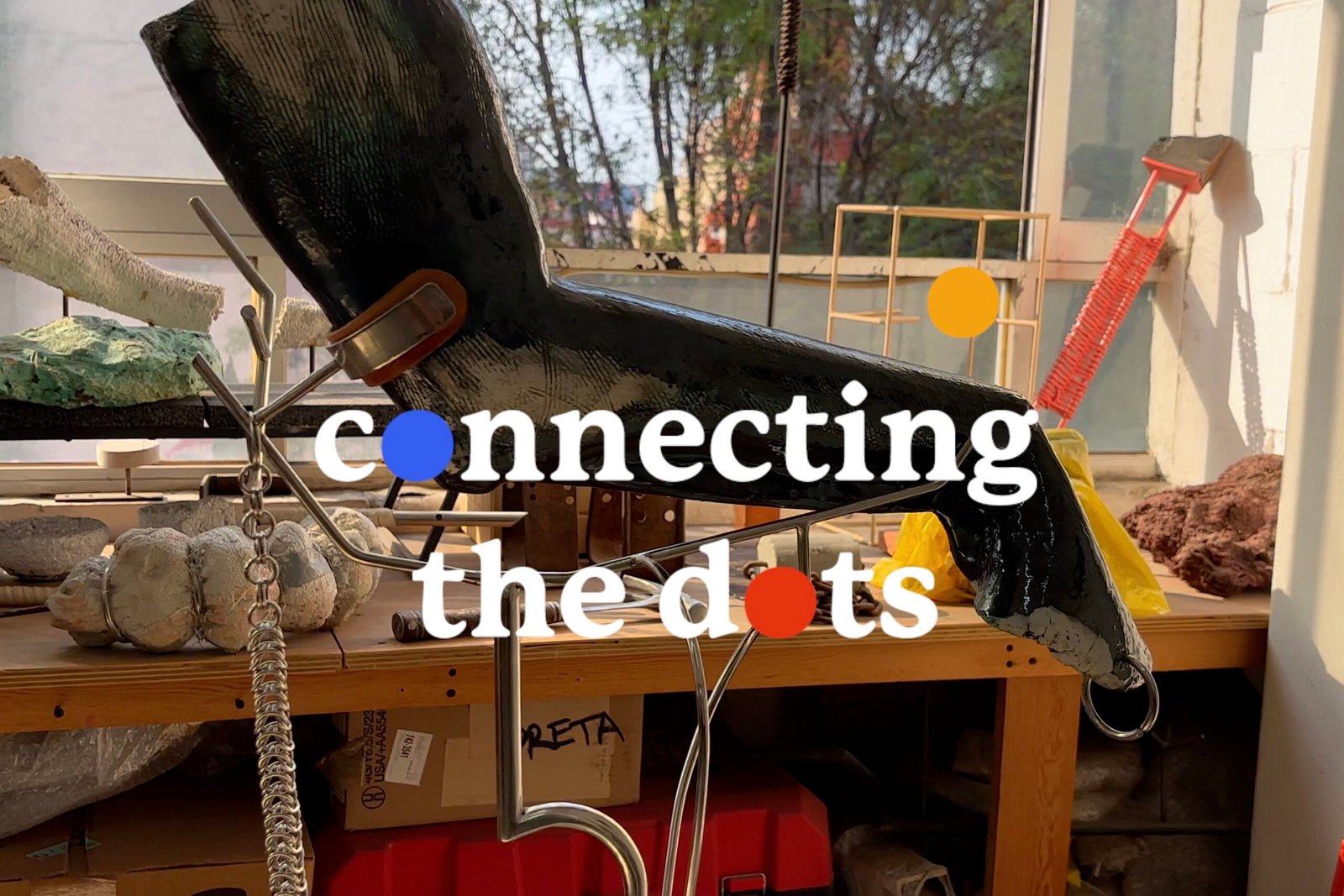
In this conversation George speaks with Yeni Mao in his Mexico City studio. This episode is released to coincide with Mexico City Art Week 2026 when Yeni will be exhibiting with Brooke Benington at the Material Art Fair as well as other projects across the city. They the importance of communities and subcultures in his sculpture practice and his artistic journey, including living and working in New York before moving to Mexico City and in doing so finding a new and growing audience for his work.