Exhibitions

5 Questions With… Ilana Slutsky

Founded in 2022, KERA Gallery has quickly become a vital presence in Georgia’s contemporary art scene — championing Georgian artists while creating dialogue with international voices through exhibitions and a growing residency programme. Ahead of their participation in MEGA, we caught up with founder and director Ilana Chkheidze to talk about community, creative exchange, and a pivotal show that shaped the way she approaches curating.
1. Can you introduce yourself and tell us a little bit about your gallery?
My name is Ilana, and I’m the founder and director of KERA Gallery. I officially opened the gallery in 2022, though I’ve been working in the arts since 2018. Things paused a bit during the pandemic, but the idea behind KERA was always clear — to present mostly Georgian emerging and established artists, while also involving international artists and building connections between Georgia and the wider art world. We also run a residency programme, which is part of that mission — creating a space for exchange and collaboration. Georgia is a small country, but full of very creative people. It’s important to open up those networks and keep building outward.
2. What will you be showing at MEGA in Milan?
We’ll be showing work by three artists: two Georgian artists, Tedo Rekhviashvili and Mako Lomadze, who will both present paintings, and Lina Condes — a Ukrainian-born, American-based artist — who will show sculpture. It’s the first time we’re showing these three artists together in Europe, and I hope people love the presentation. I’m really proud to be bringing them to Milan.

3. What is the gallery community like in Tbilisi, and how important is it for you to connect internationally?
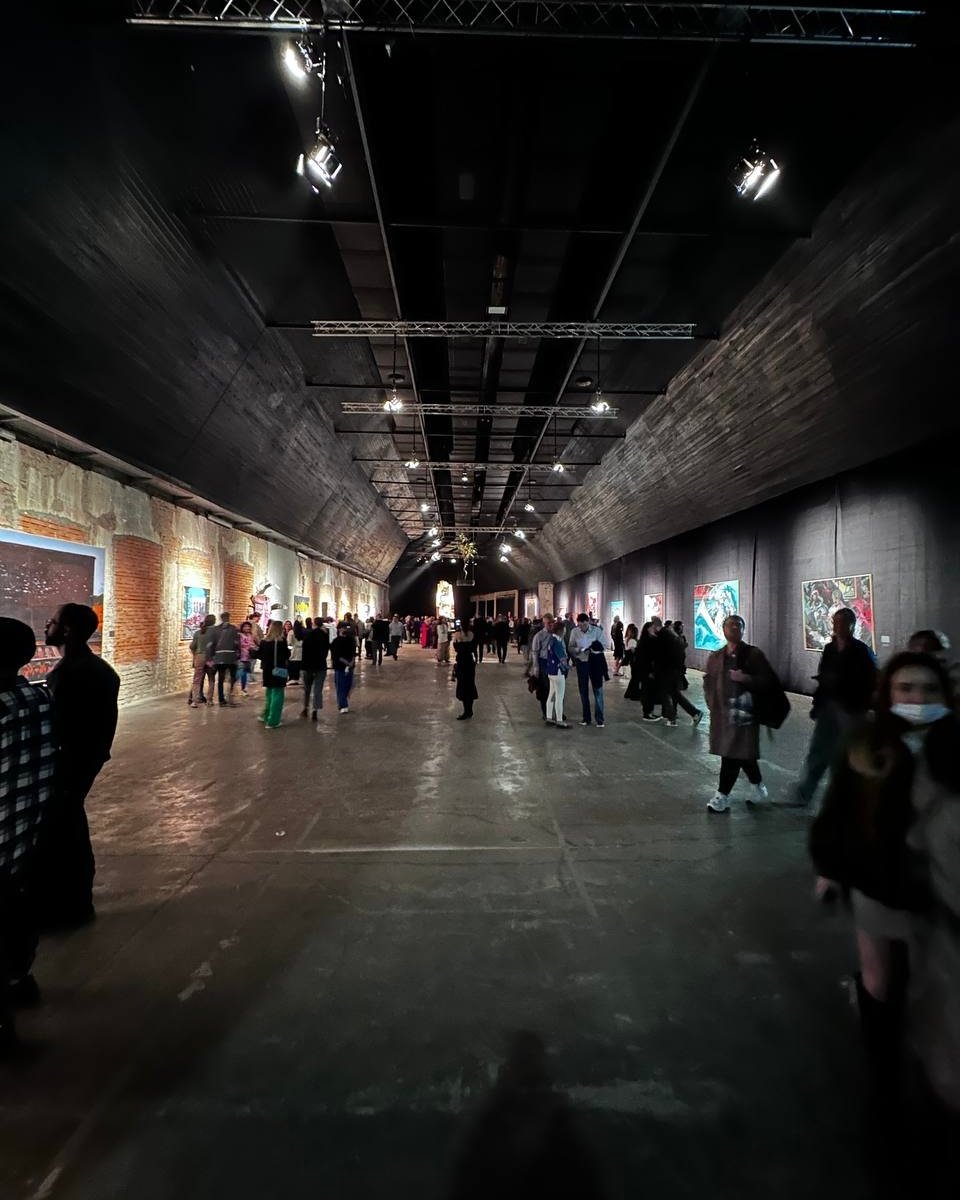
This is actually one of the main reasons I wanted to start the gallery. There are so many creative people here — not just in visual arts but also in music, fashion, performance. But it’s a small country, and it’s so important for artists to be able to travel, to see things, to be seen. At the same time, it’s important to bring people here — to invite international artists and curators and create dialogue. When artists from different contexts come together, something new happens. It’s very inspiring. And Georgia itself is a very inspiring place — the nature, the culture, the nightlife, the people. I think we definitely need more art fairs here too!
4. Can you tell us about a moment or project that helped shape your identity as a gallery?
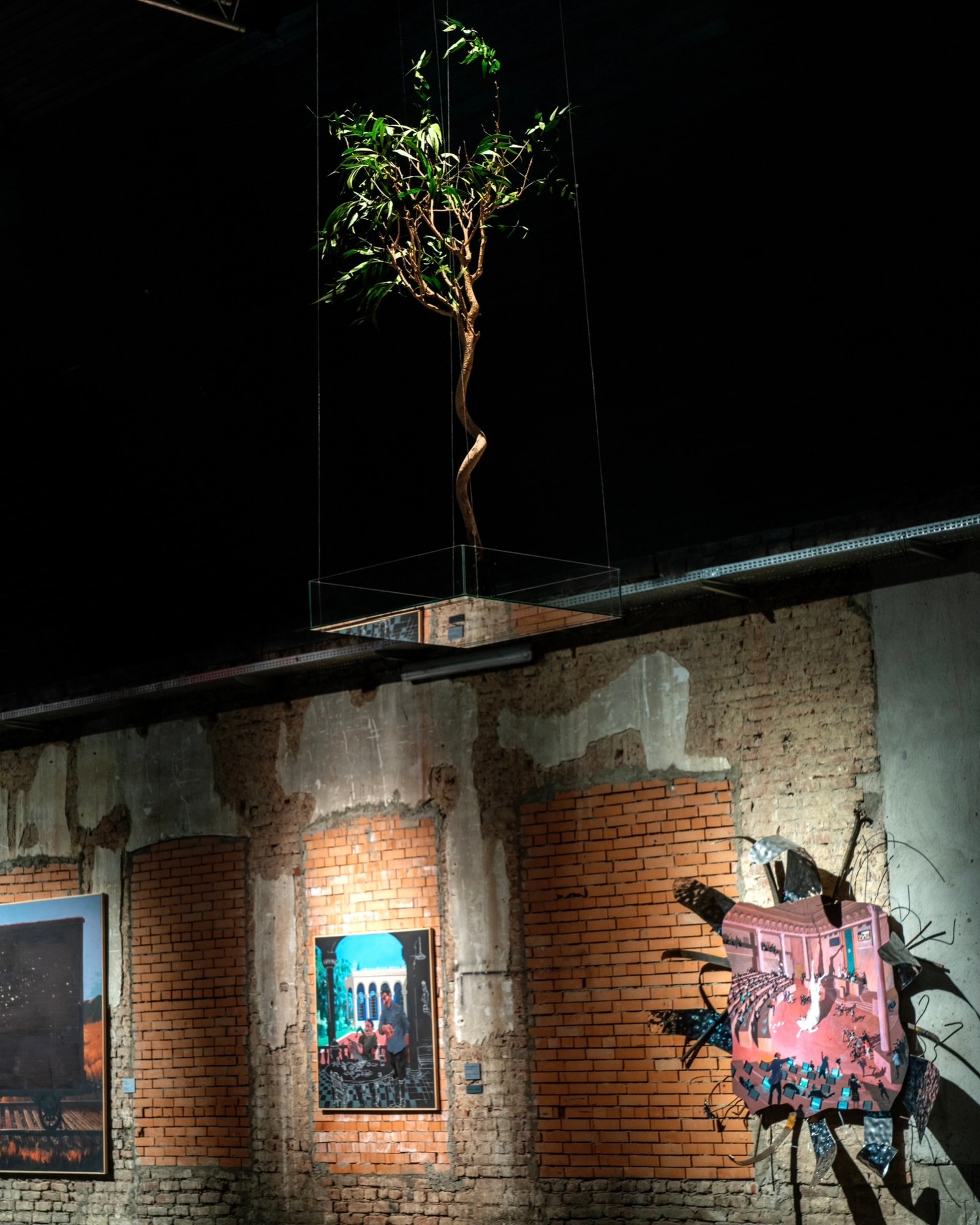
About a year ago, we presented Memory Power and Temptations, a solo show by Tedo Rekhviashvili. It took two years to realise — it was very emotional for him, his first solo show in Georgia since returning from New York. We found a huge space — an old factory used for filming, not exactly abandoned but raw — and it became part of the exhibition. The space was 1,200 square metres, with six-metre ceilings, and I honestly can’t imagine showing that work anywhere else. It was a turning point for me — I realised that it’s never just about having a gallery space. It’s always about the artist’s needs. Now, we always start with the concept, and then we find the space that fits.
5. If you could collaborate with any gallery or curator — at MEGA or beyond — who would it be and why?
Honestly, anyone who is open to collaboration! Anyone who’s excited about creating international dialogue — who wants to share artists, exchange ideas, and build something together across borders. The list of participants at MEGA is amazing, and I’d be happy to work with any of them.
More Media
March 11, 2026
In this special episode – in collaboration with the spring issue of Get Hastings magazine – George speaks with singer-songwriter Alexander Wolfe at Amici Studio in Hastings. Known for his deeply personal songwriting, Wolfe reflects on the release of his new album Everythinglessness and the experiences that shaped it. The conversation explores themes of masculinity, mental health, recovery and creative honesty, as well as Wolfe’s journey from South East London to Hastings and the role music has played in navigating identity and change. Together they discuss the importance of community, vulnerability and connection, and how these ideas continue to shape both Wolfe’s work and his life.
March 11, 2026
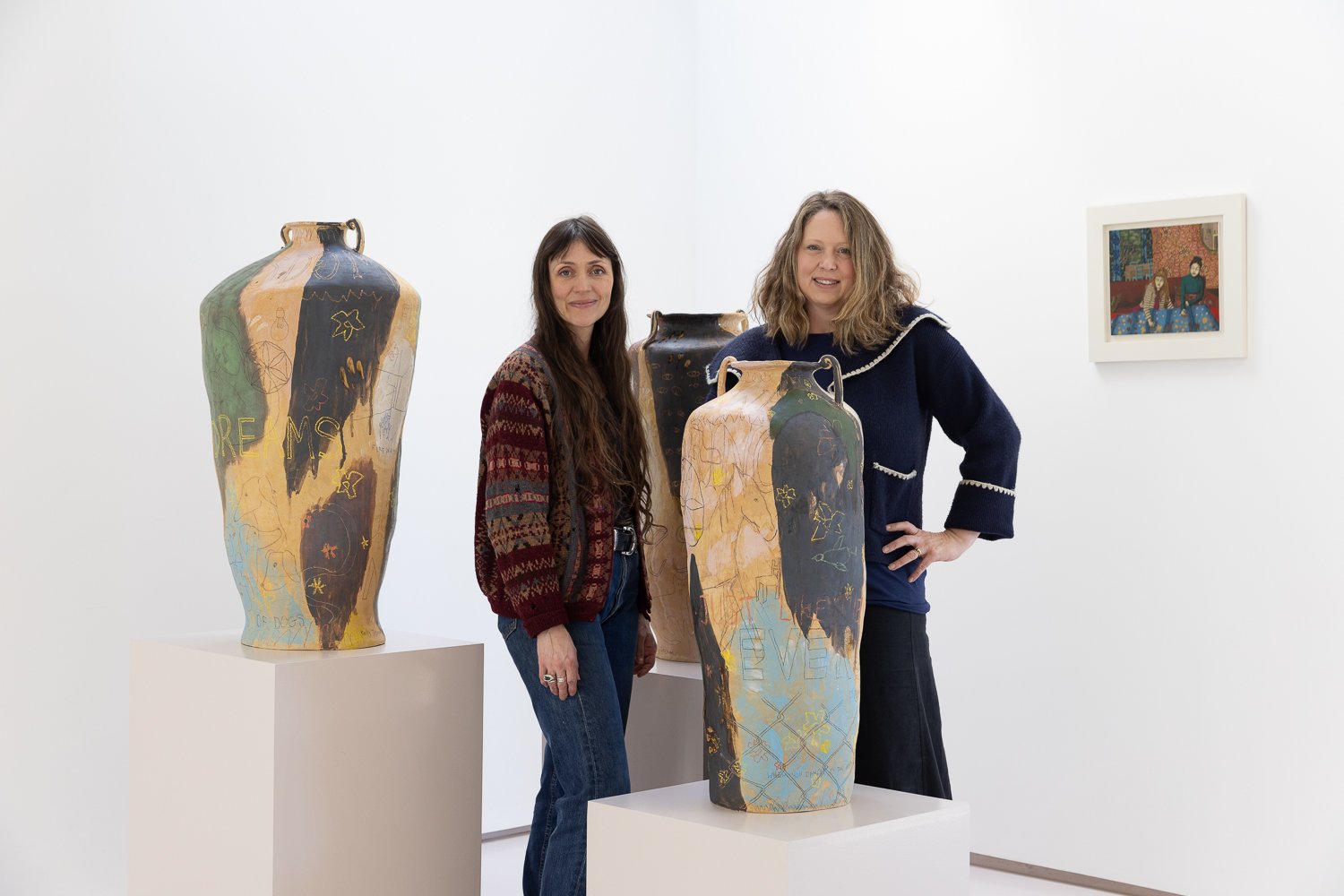
In this conversation George speaks with artist and Project Art Works co-founder Kate Adams at the Project Art Works gallery in Hastings. Having first encountered the organisation through its Turner Prize nomination in 2021, George was keen to talk with Kate about the origins and evolution of Project Art Works and the community that has grown around it. The conversation explores how the organisation began as a way for Kate to better understand and support the creative life of her son Paul, who has complex support needs, and how it has since developed into an internationally recognised collective working at the intersection of art and care. Surrounded by paintings by Project Art Works artist Christopher Tite, they discuss studio practice, collaboration and the relationships that sustain creative communities.
February 11, 2026
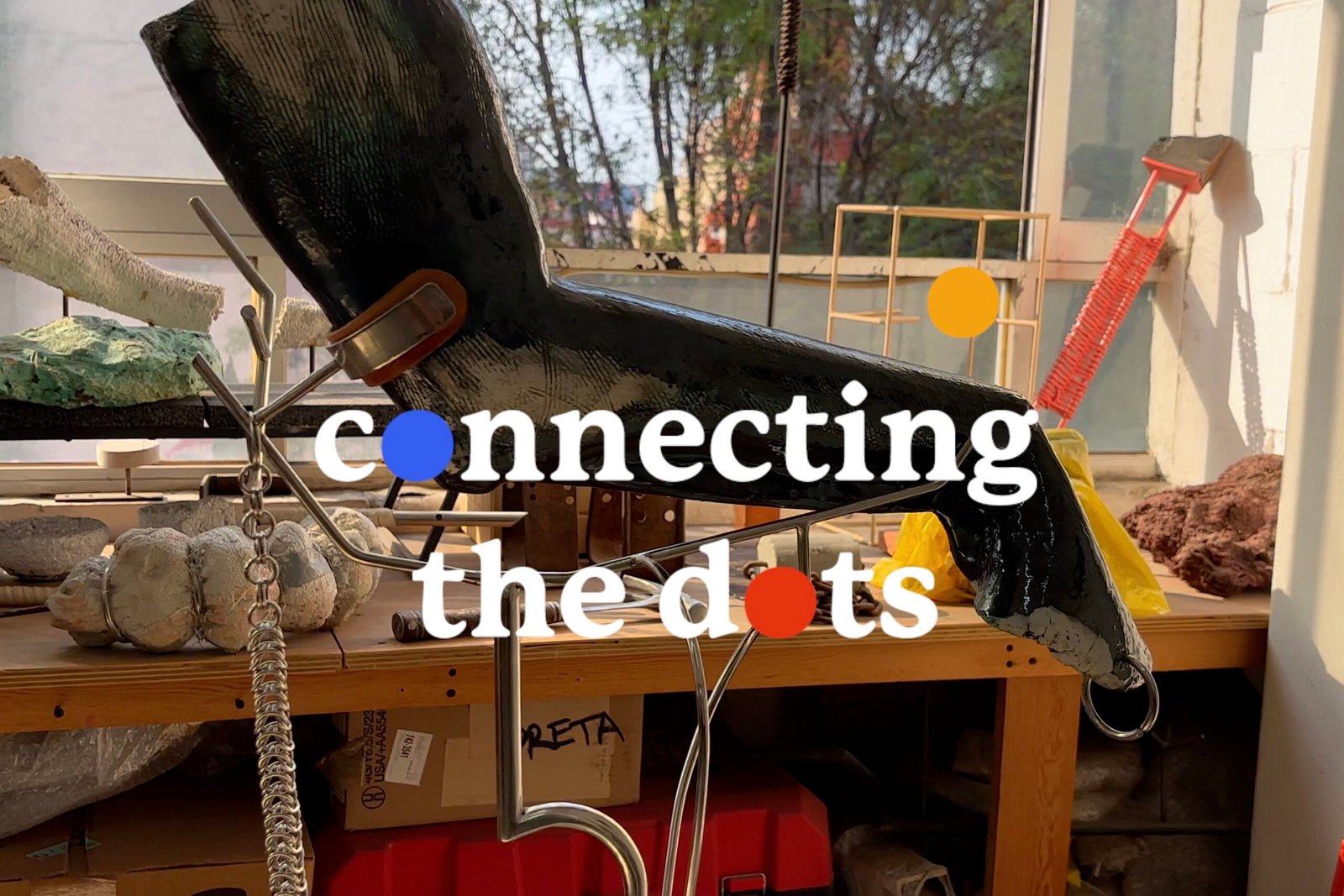
In this conversation George speaks with Yeni Mao in his Mexico City studio. This episode is released to coincide with Mexico City Art Week 2026 when Yeni will be exhibiting with Brooke Benington at the Material Art Fair as well as other projects across the city. They the importance of communities and subcultures in his sculpture practice and his artistic journey, including living and working in New York before moving to Mexico City and in doing so finding a new and growing audience for his work.