Exhibitions

Amici x Brooke Benington
Katie Tomlinson
Bathers Bathing
Amici x Brooke Benington present Bathers Bathing, a solo exhibition by Katie Tomlinson. Drawing on art history, mythology and archival imagery, Tomlinson’s works continue her exploration of femme representation, performativity and the queering of patriarchal visual traditions.
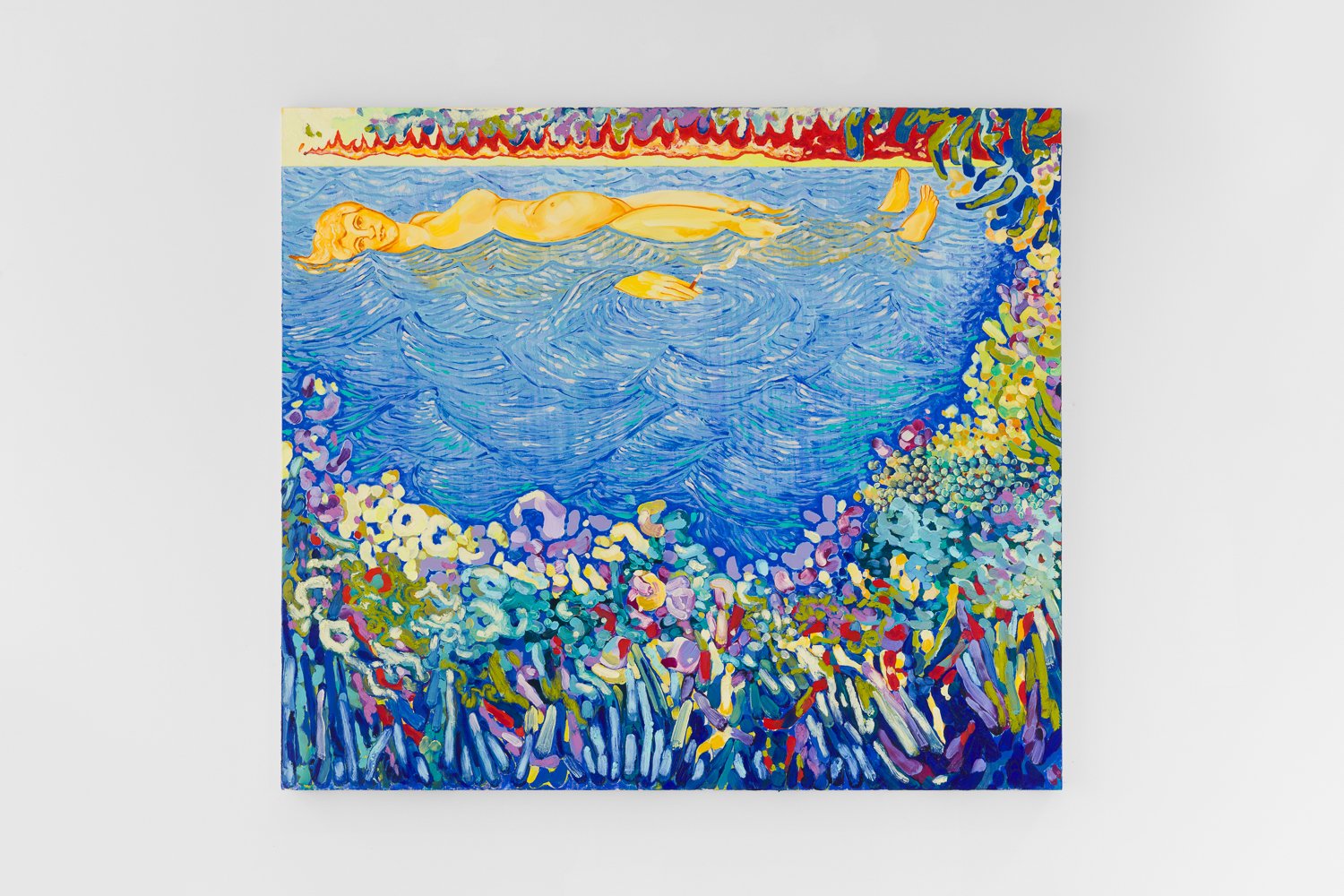
Katie Tomlinson
An Elegant Display, 2026
Oil on Canvas
140 x 160cm
Unique
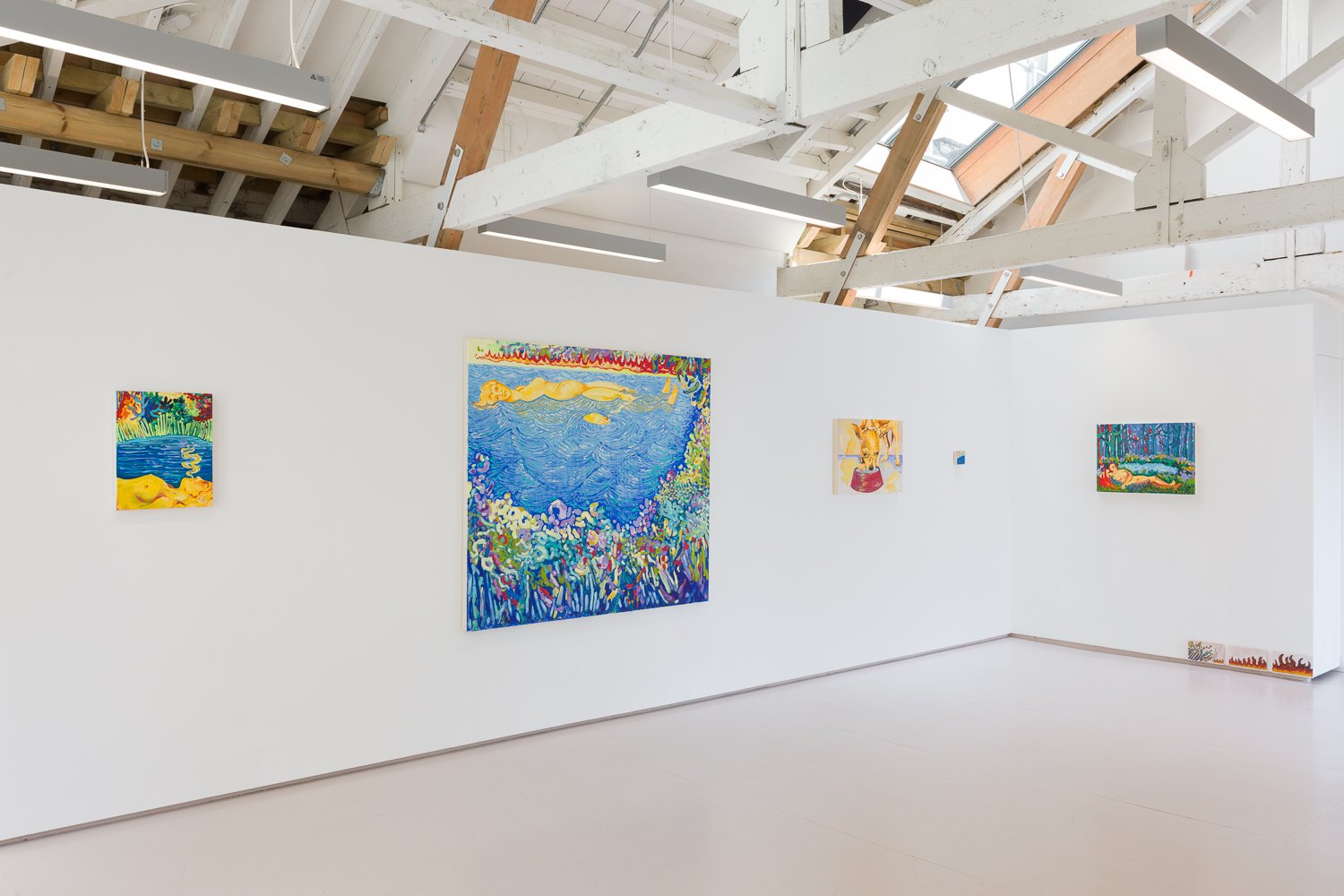
Opening concurrently on the ground floor of 12 Claremont is Queer Painting: Intervals, a collaborative exhibition curated by Katie Tomlinson and Chester Tenneson as part of their ongoing curatorial research project exploring how contemporary Queer artists are using painting to reclaim, rework and reimagine gendered narratives and histories. Together, the two exhibitions create an expanded dialogue around visibility, representation, performance and the politics of looking.
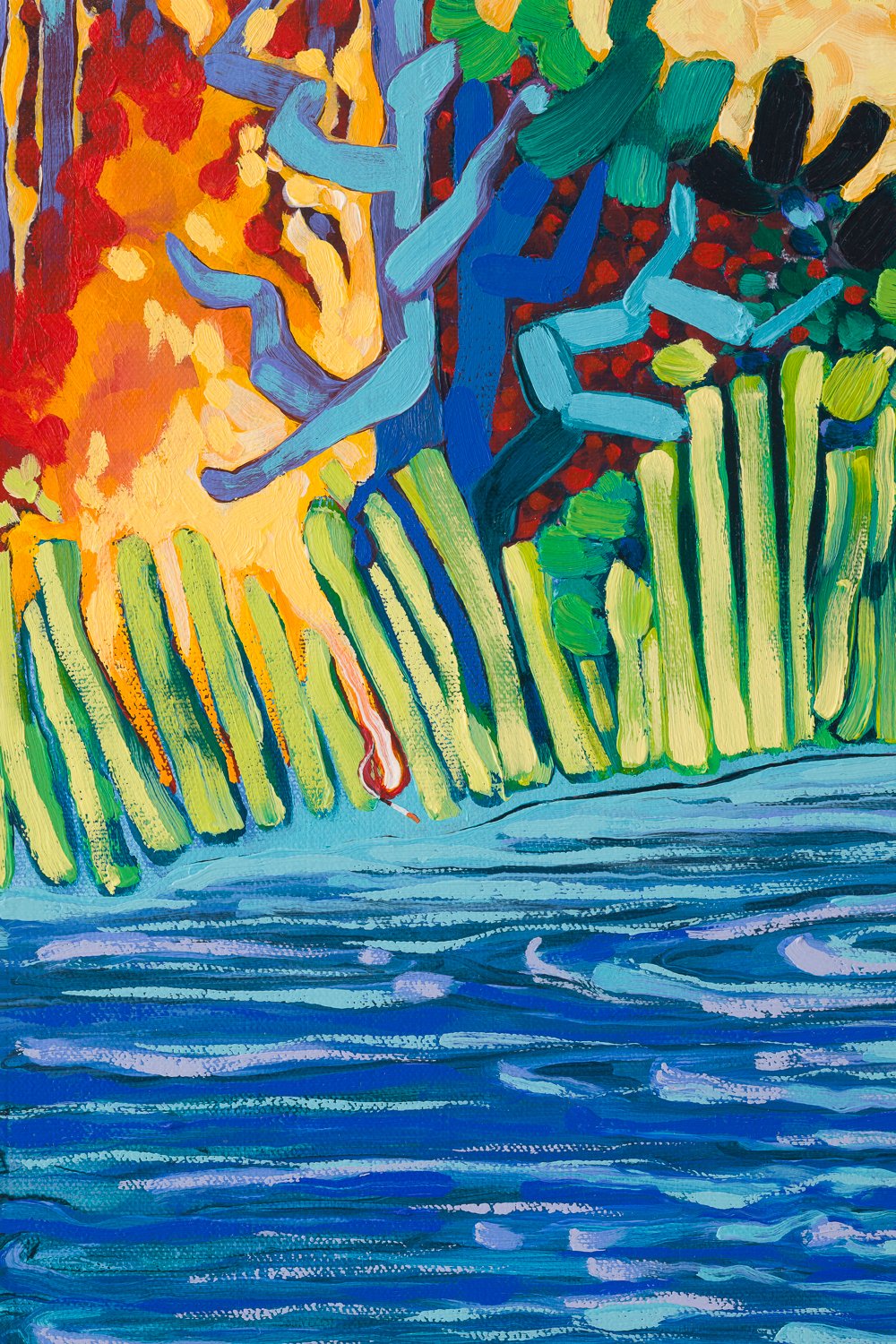
By challenging this passive spectatorship and disrupting voyeuristic power dynamics, the paintings challenge our understanding of women in art and society.
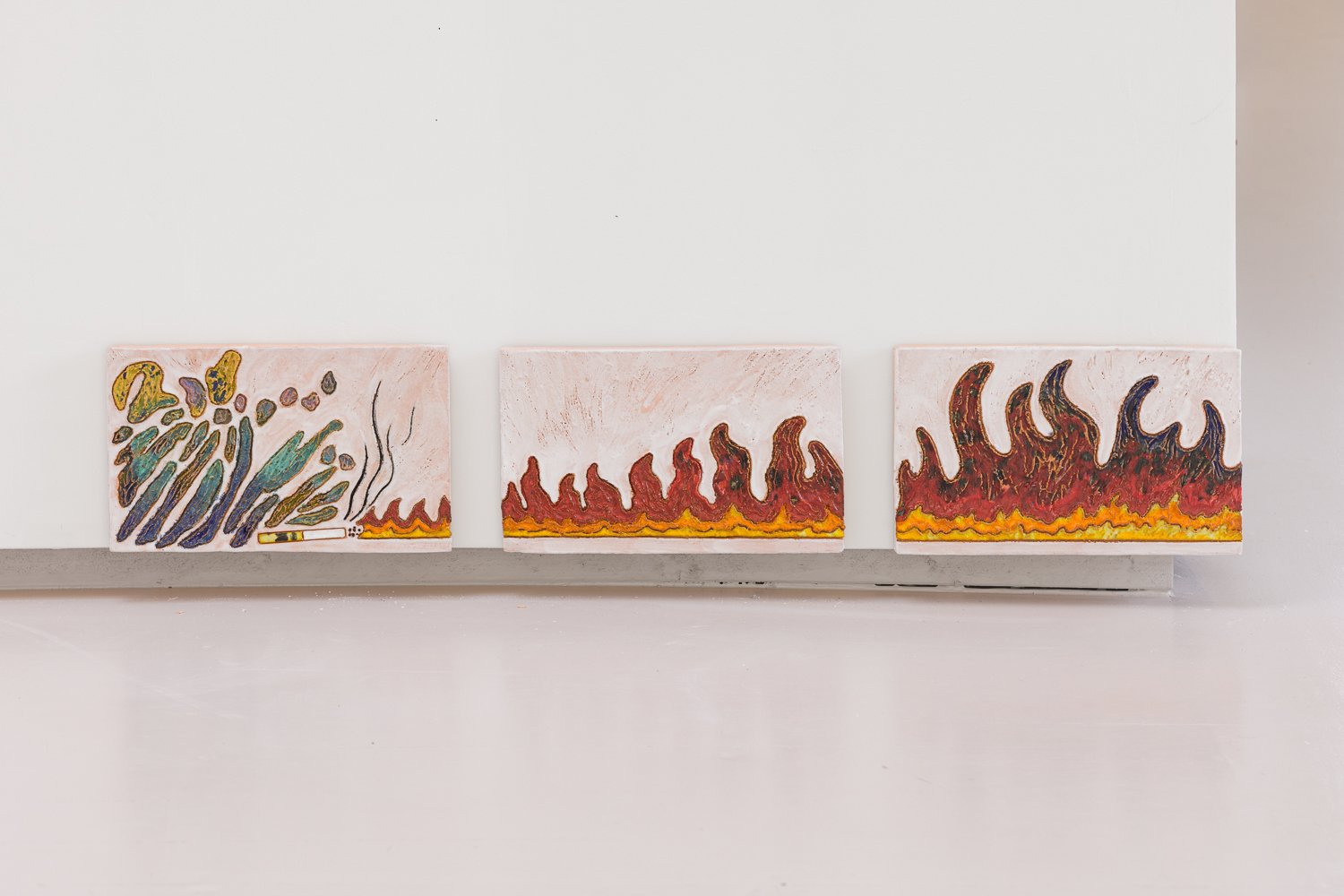
Katie Tomlinson
A Sequential Collapse, 2025
Glazed earthenware ceramic
14 x 70cm
£1,200.00
Katie Tomlinson
An Elegant Display, 2026
140 x 160cm
£6,000.00
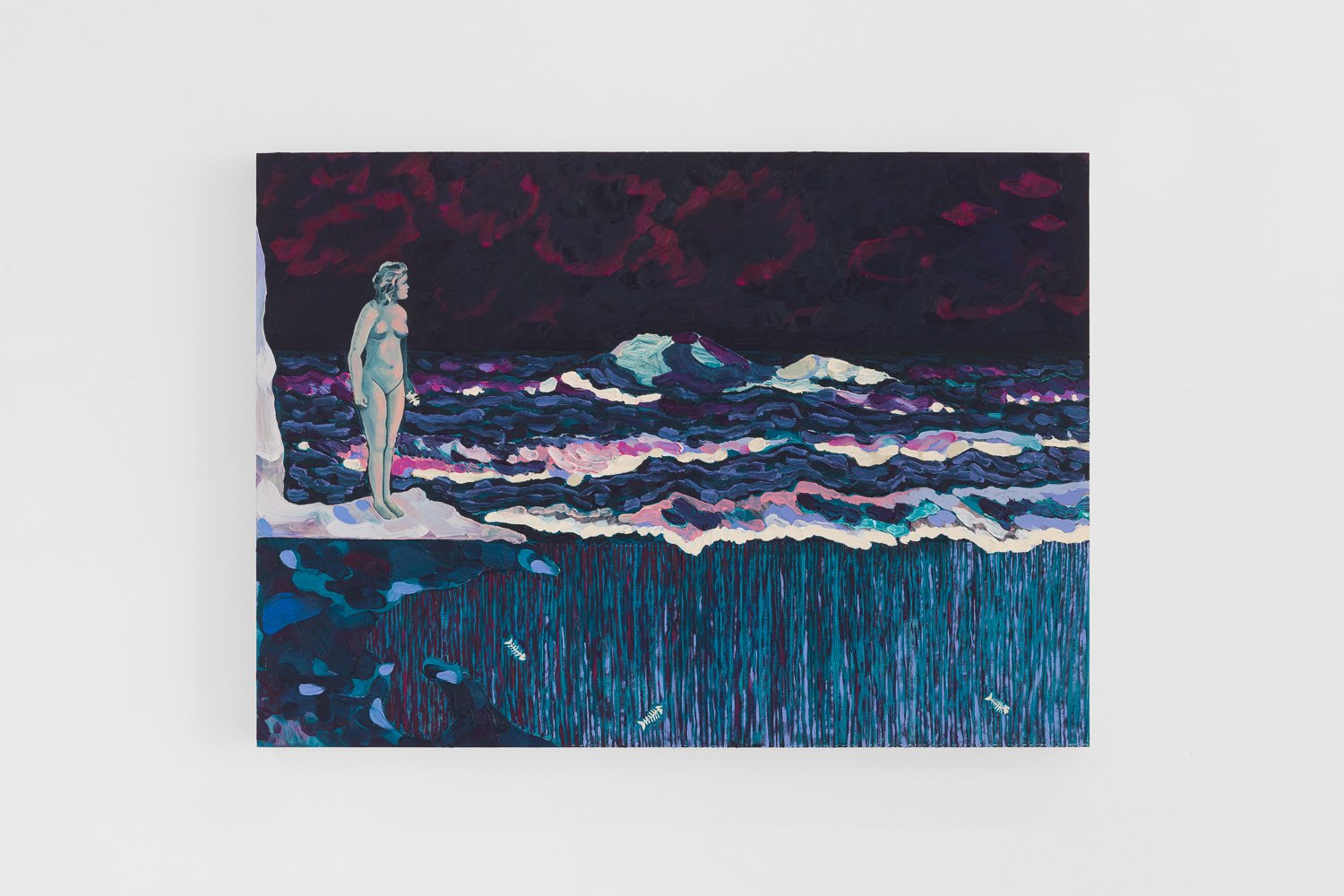
Katie Tomlinson
Deep Sea Bather, 2026
Oil on Panel
50 x 70cm
£2,400.00
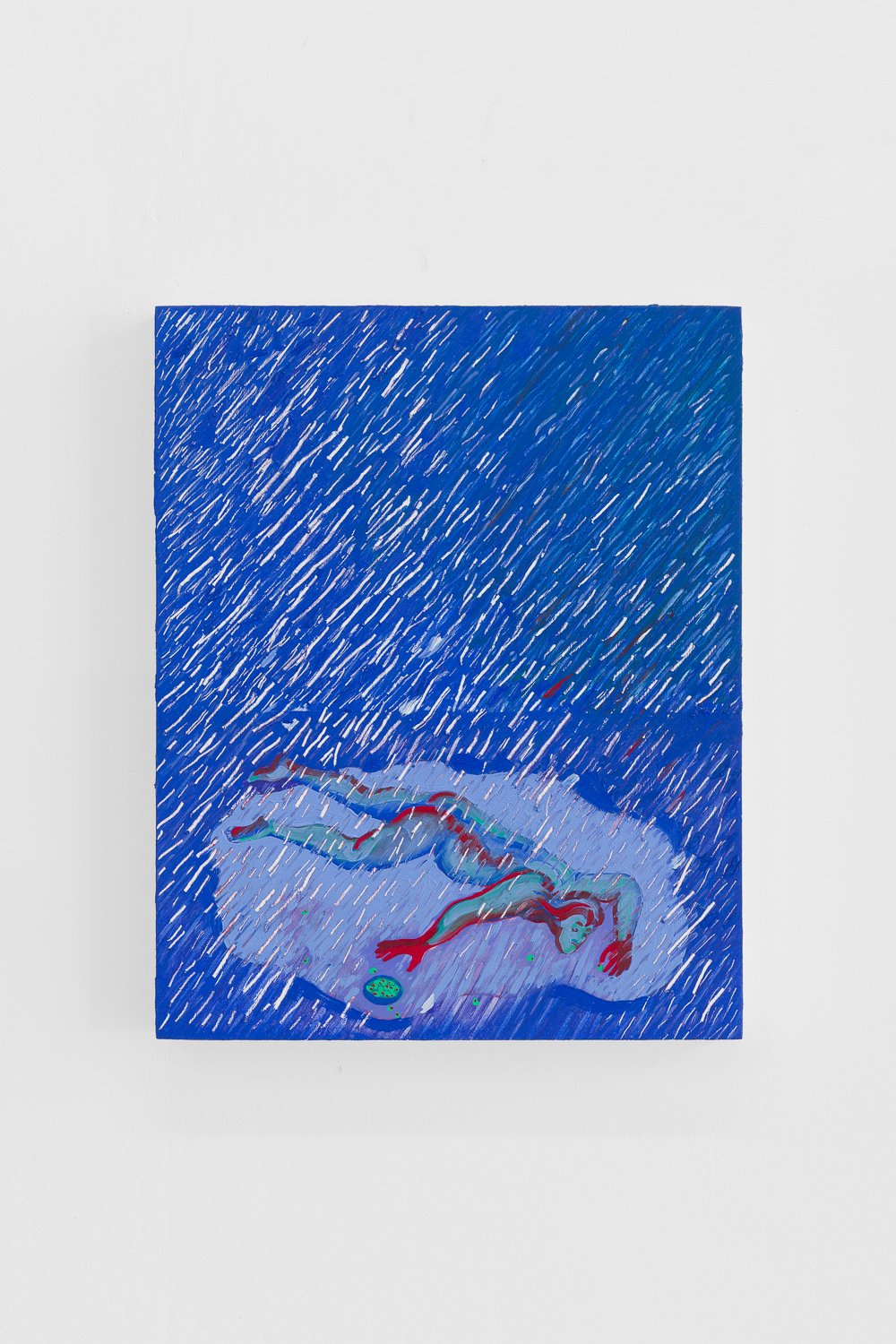
Katie Tomlinson
Keeping Oneself Above Water,
Oil on Panel
25 x 20cm
£900.00
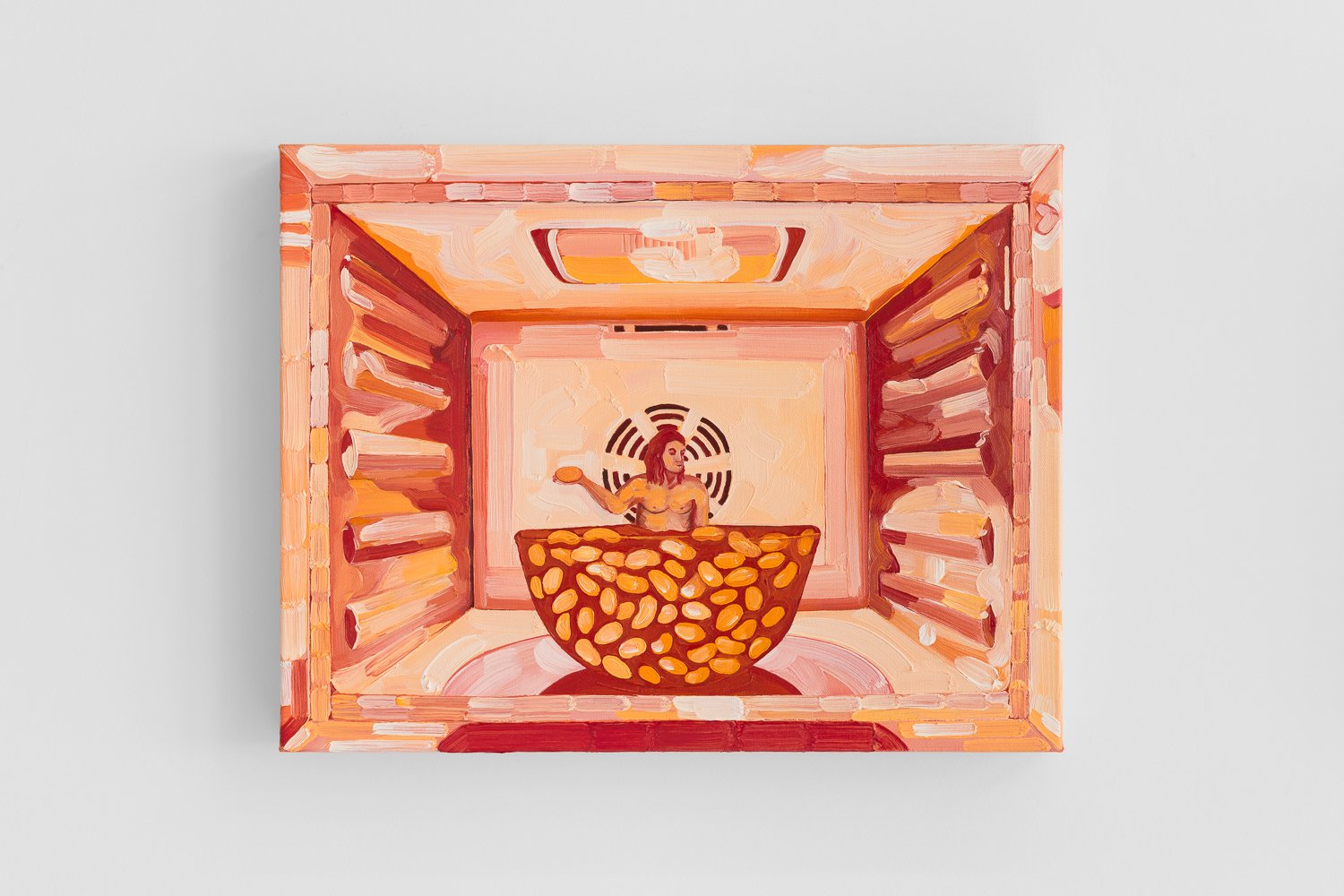
Katie Tomlinson
Rude Imitation, 2026
Oil on Panel
25 x 20cm
£1,800.00
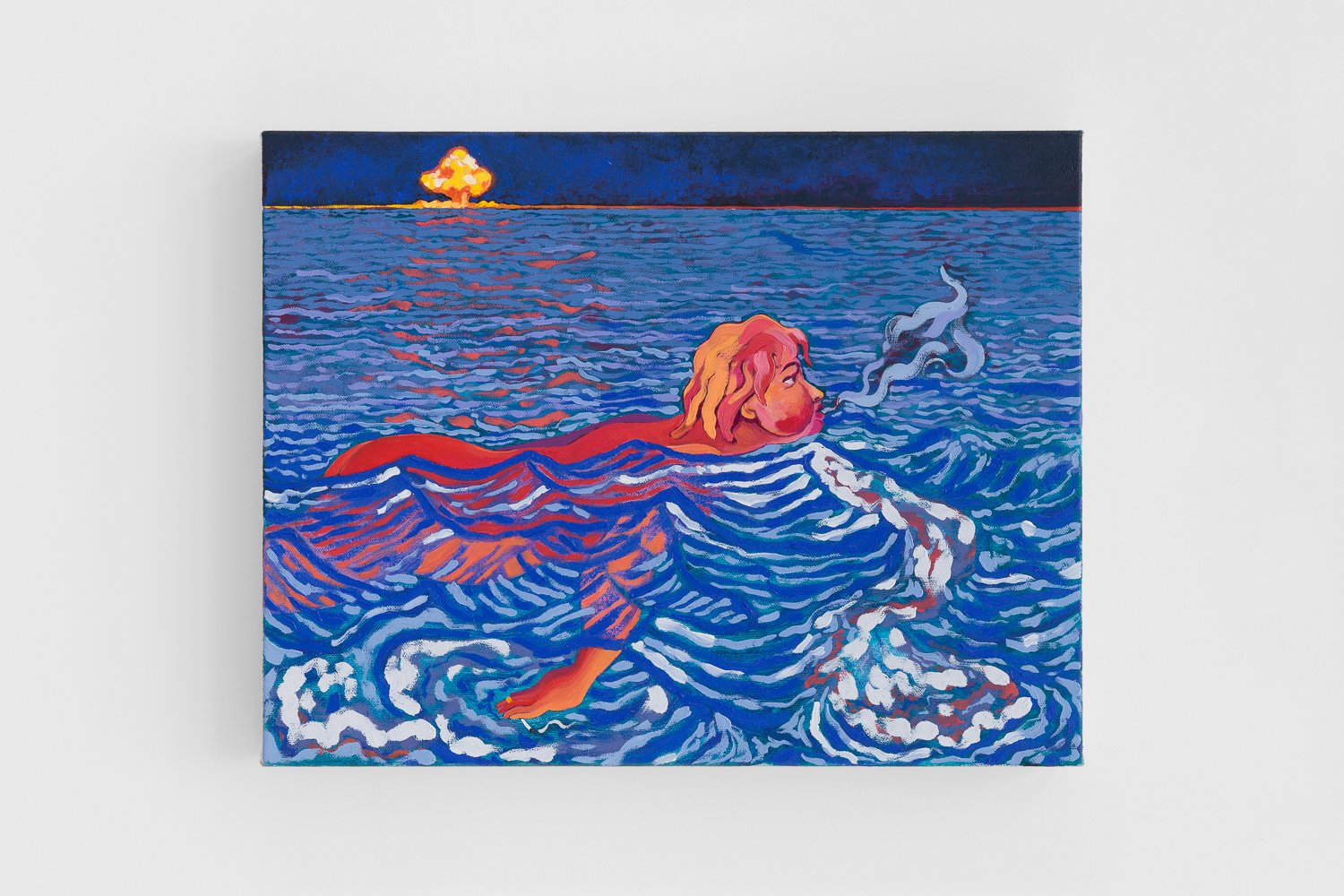
Katie Tomlinson
A Famous Stroke, 2026
Oil on Canvas
35 x 45cm
£1,800.00
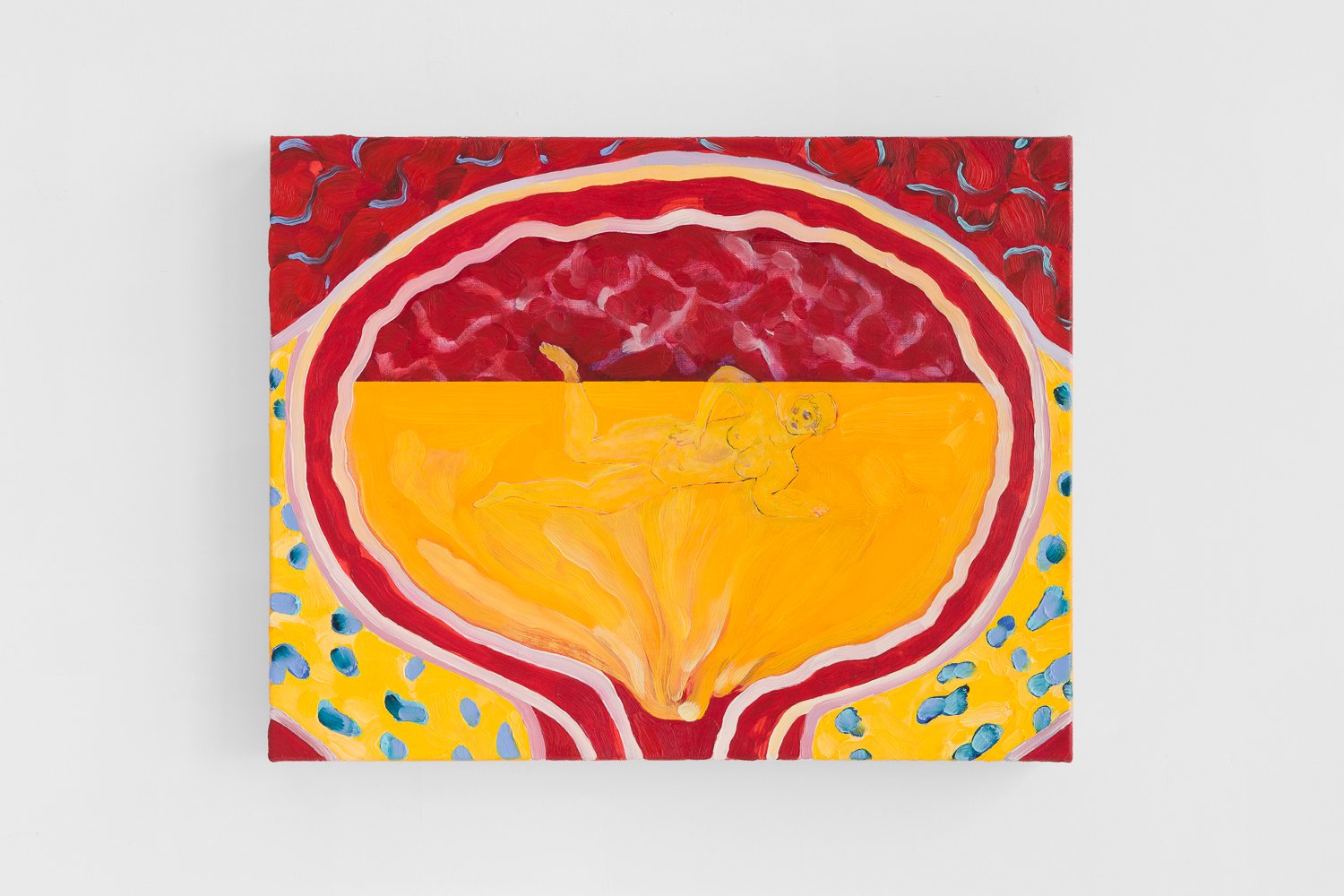
Katie Tomlinson
Staying Afloat, 2026
Oil on Canvas
35 x 45cm
£1,800.00
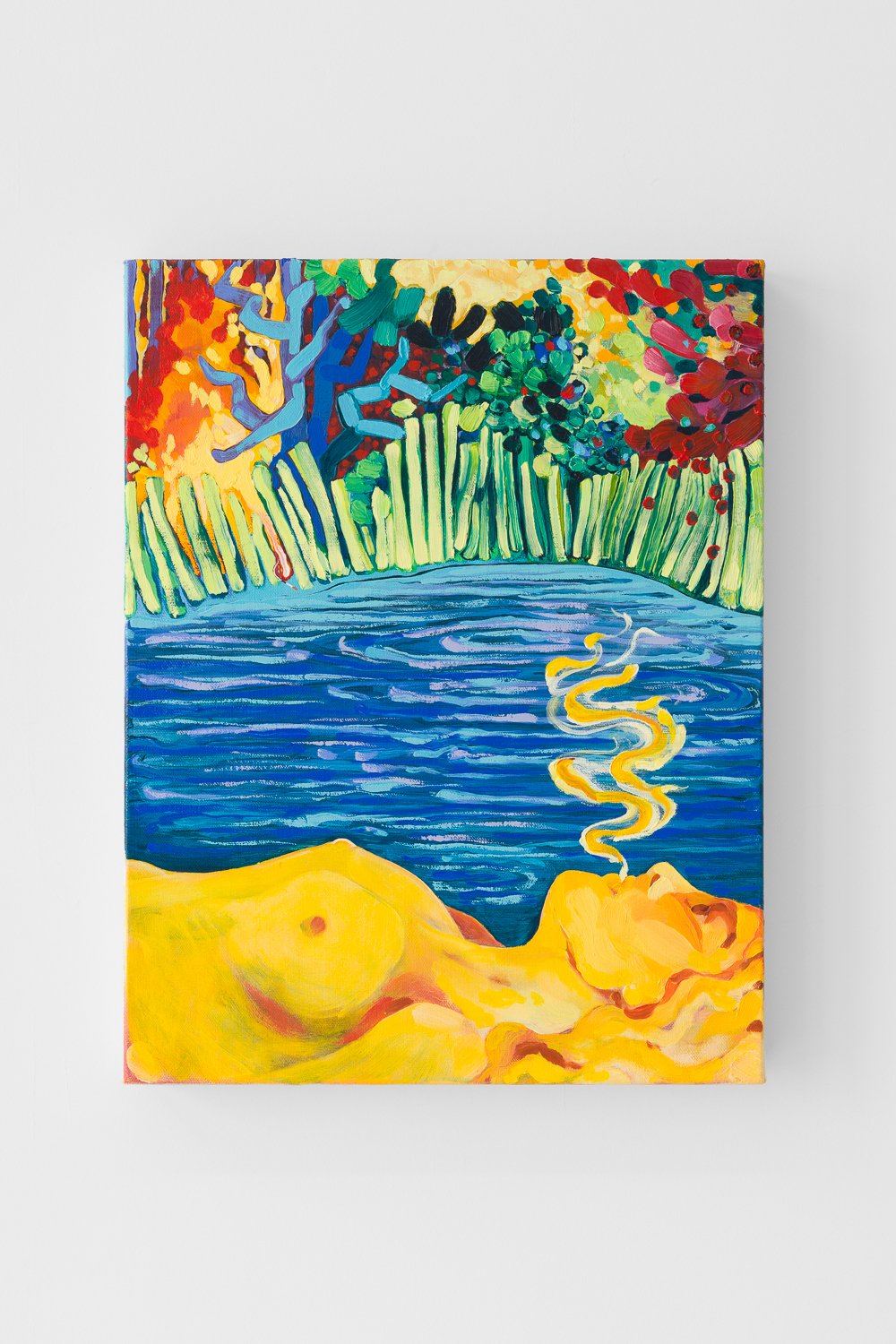
Katie Tomlinson
Reclining Nude (with Cigarette), 2026
Oil on Canvas
45 x 35cm
£1,800.00
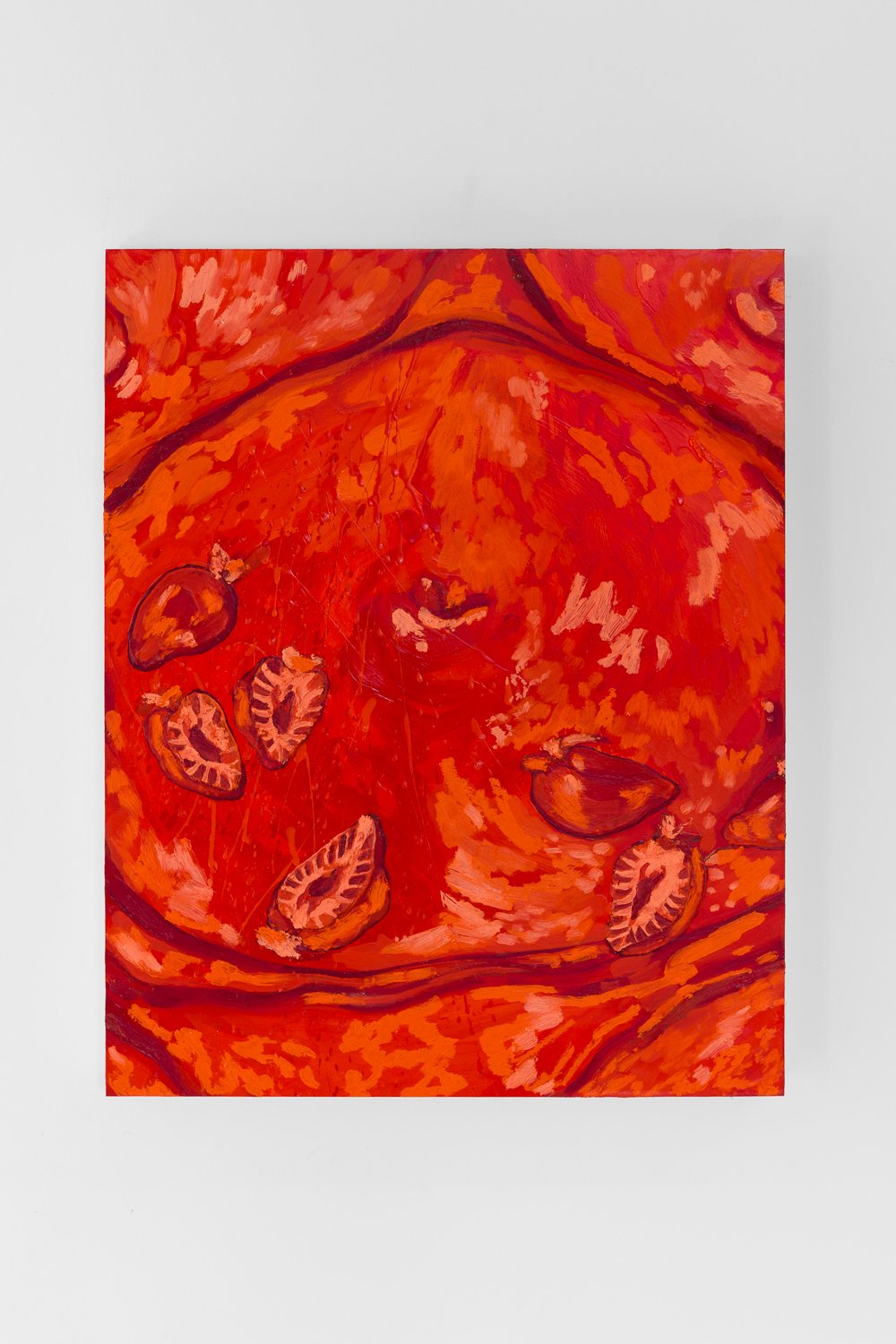
Katie Tomlinson
Sad Face Strawberry Tint, 2026
Oil on Panel
50 x 40cm
£1,800.00
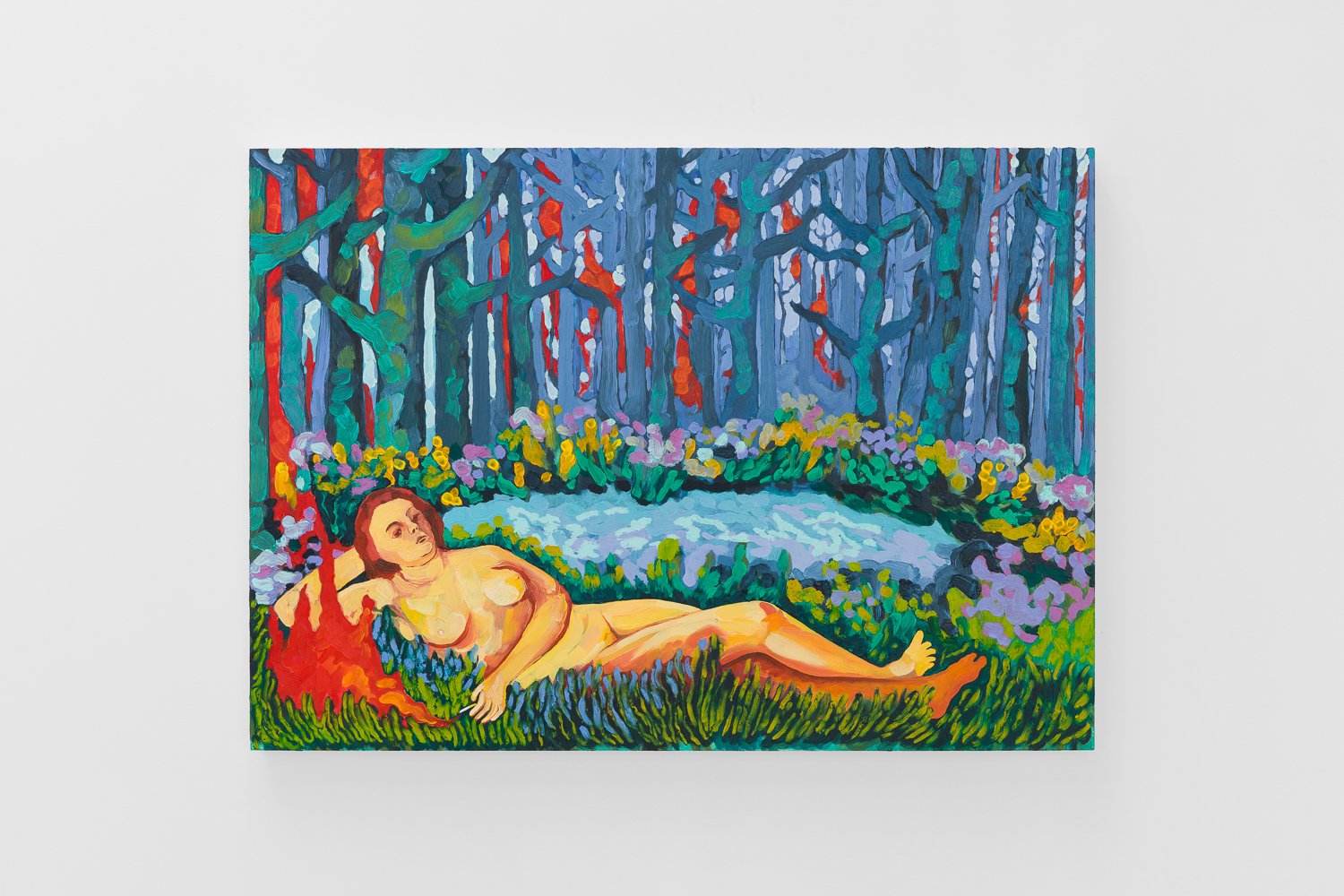
Katie Tomlinson
Do Not Disturb My Sleep, 2026
Oil on Panel
50 x 70cm
£2,400.00
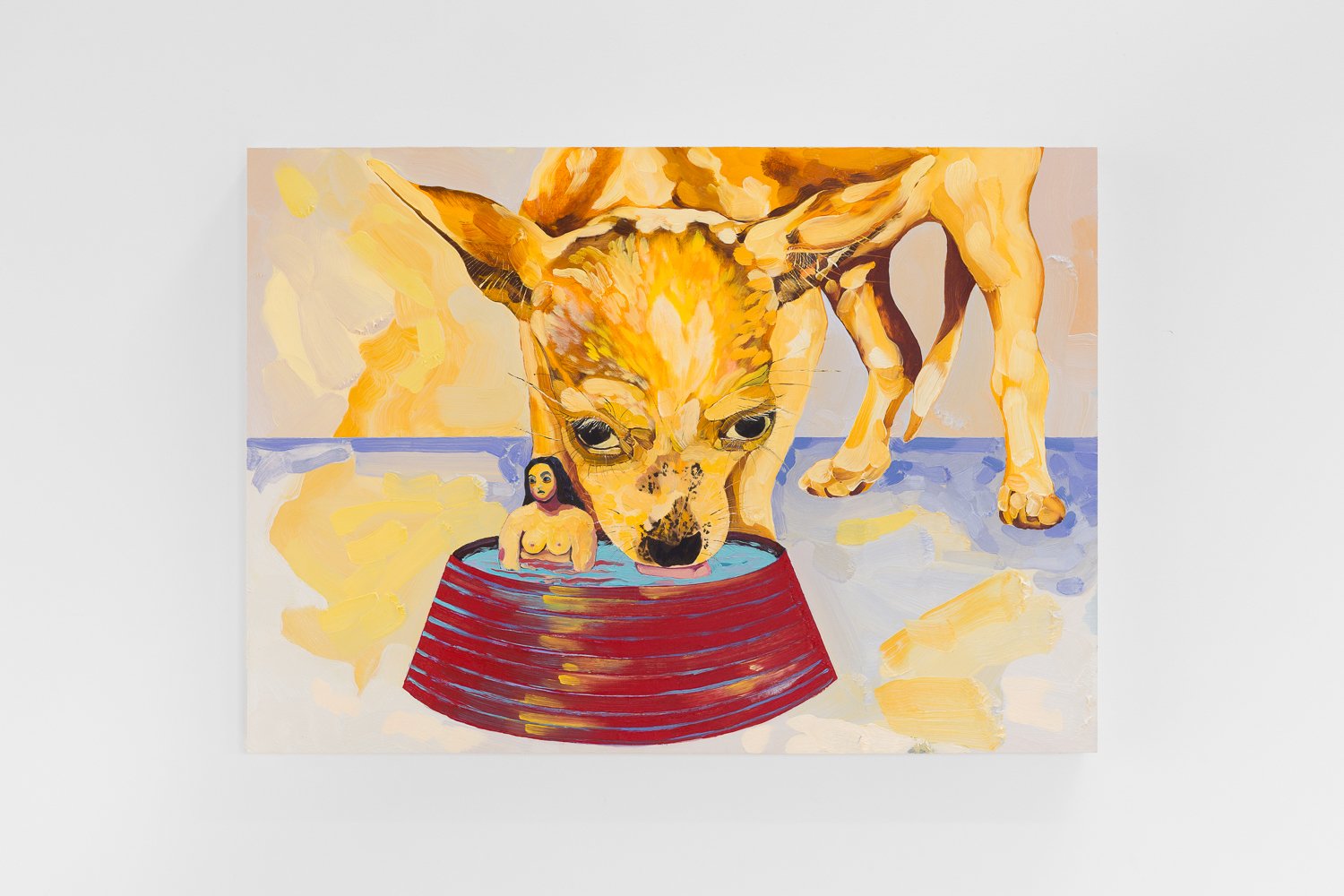
Katie Tomlinson
Petite Baigneuse (The Return to Chaos),
Oil on Panel
50 x 70cm
£2,400.00
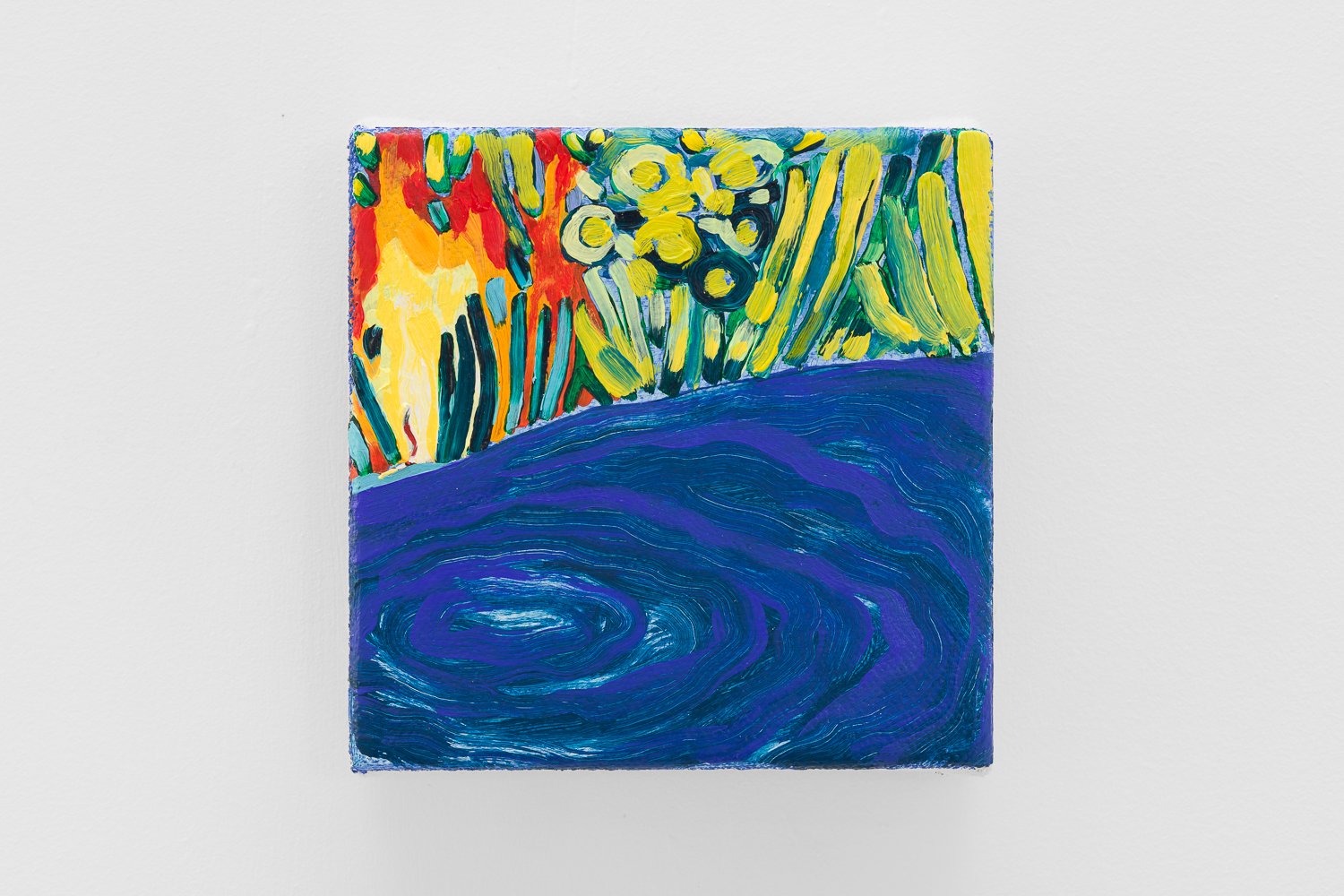
Katie Tomlinson
Dip (The Artist’s Garden at Saint-Clair), 2026
Oil on Canvas
10 x 10cm
£400.00