Exhibitions

5 Questions With… George Mingozzi-Marsh

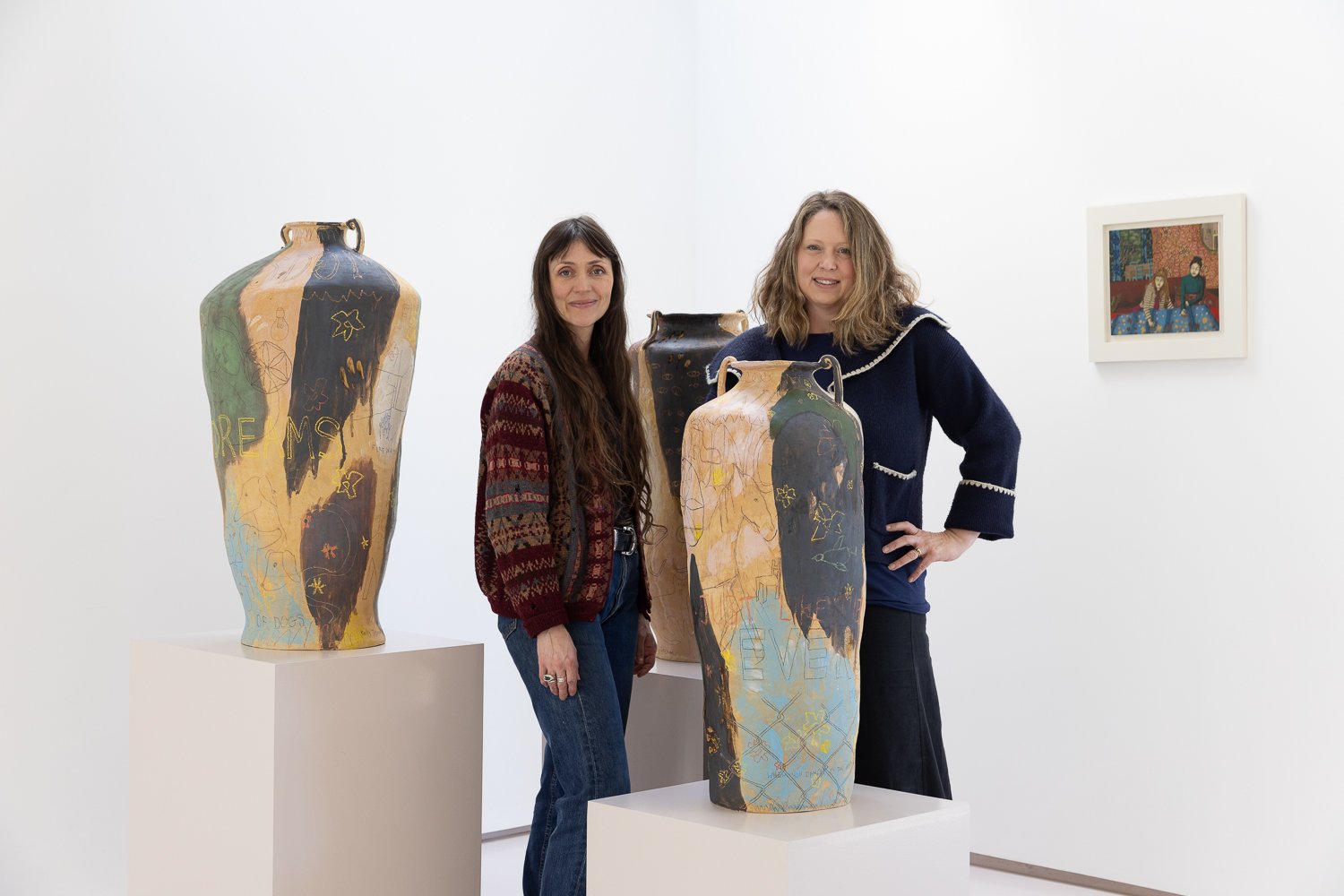
Brooke Benington is a Fitzrovia-based gallery co-directed by George Mingozzi-Marsh and Lily Brooke Day, presenting a dynamic, international roster of artists whose practices span generations, geographies, and media. The programme foregrounds those who approach material and process with curiosity — artists who continually reinvent, challenge, and expand their work through both formal experimentation and critical engagement. Ahead of presenting at MEGA in Milan, we spoke to George about artist-led initiatives, questioning the status quo, and building community within and beyond the gallery walls.
1. Can you introduce yourself and tell us a bit about your gallery?
I’m George Mingozzi-Marsh, and along with Lily Brooke Day, I run Brooke Benington — an emerging contemporary gallery in Fitzrovia, London. We started the gallery in 2019, but opened our physical space in Fitzrovia in October 2022. Like many, our original programme was disrupted by the pandemic, so we had to find new ways of working — supporting our artists and trying to establish ourselves during an incredibly uncertain time.
2. What are you showing at MEGA, and why did you choose to present this work?
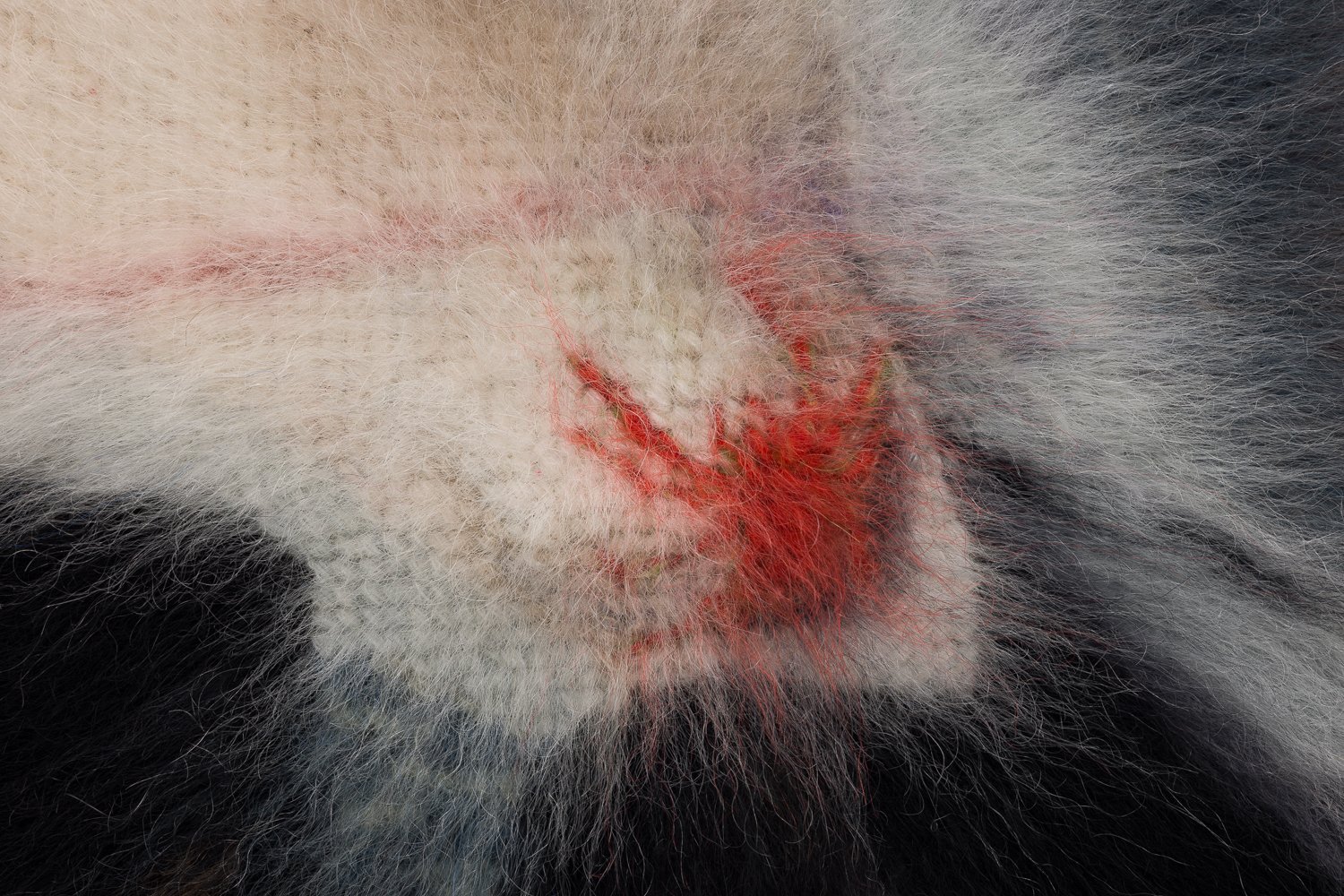
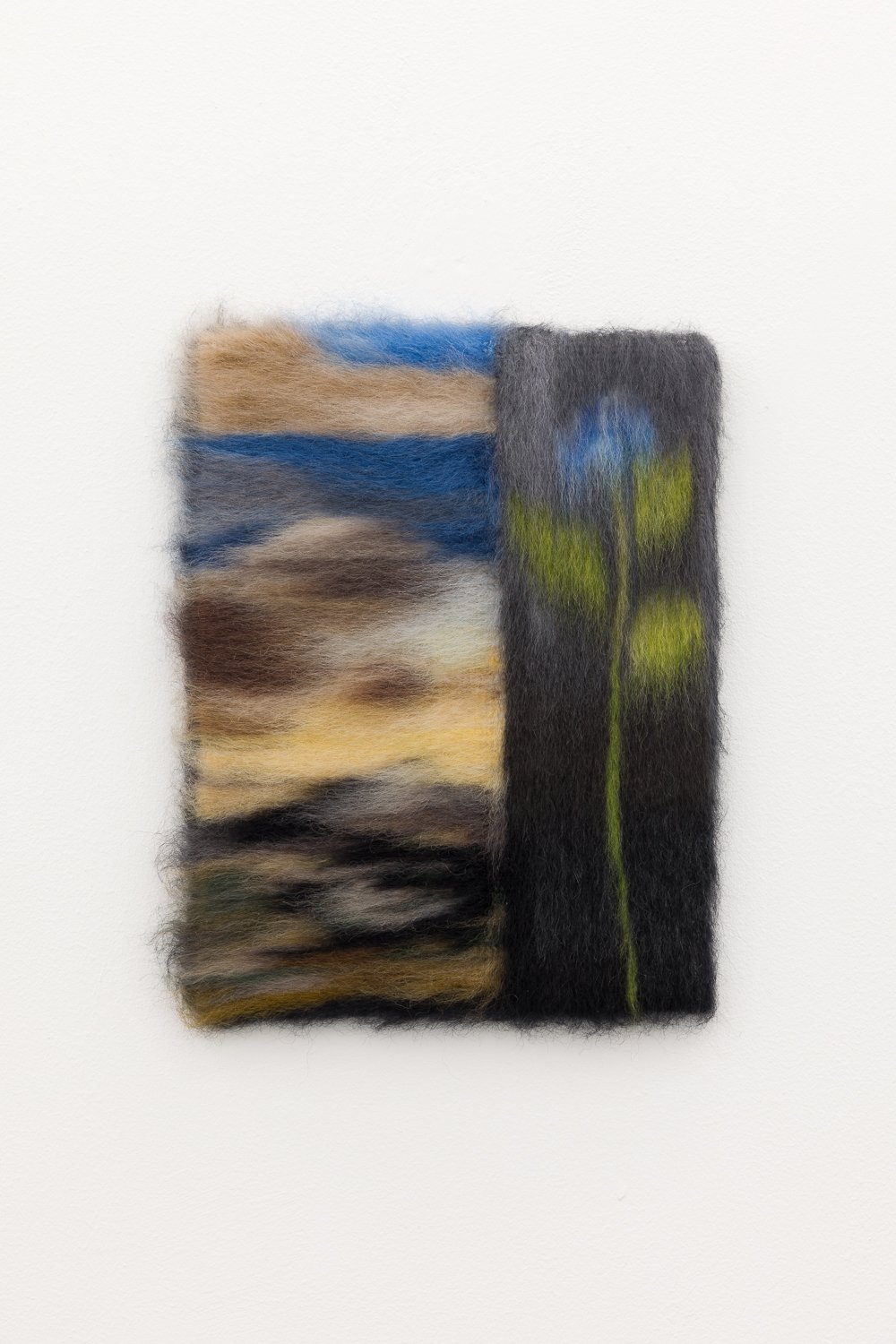
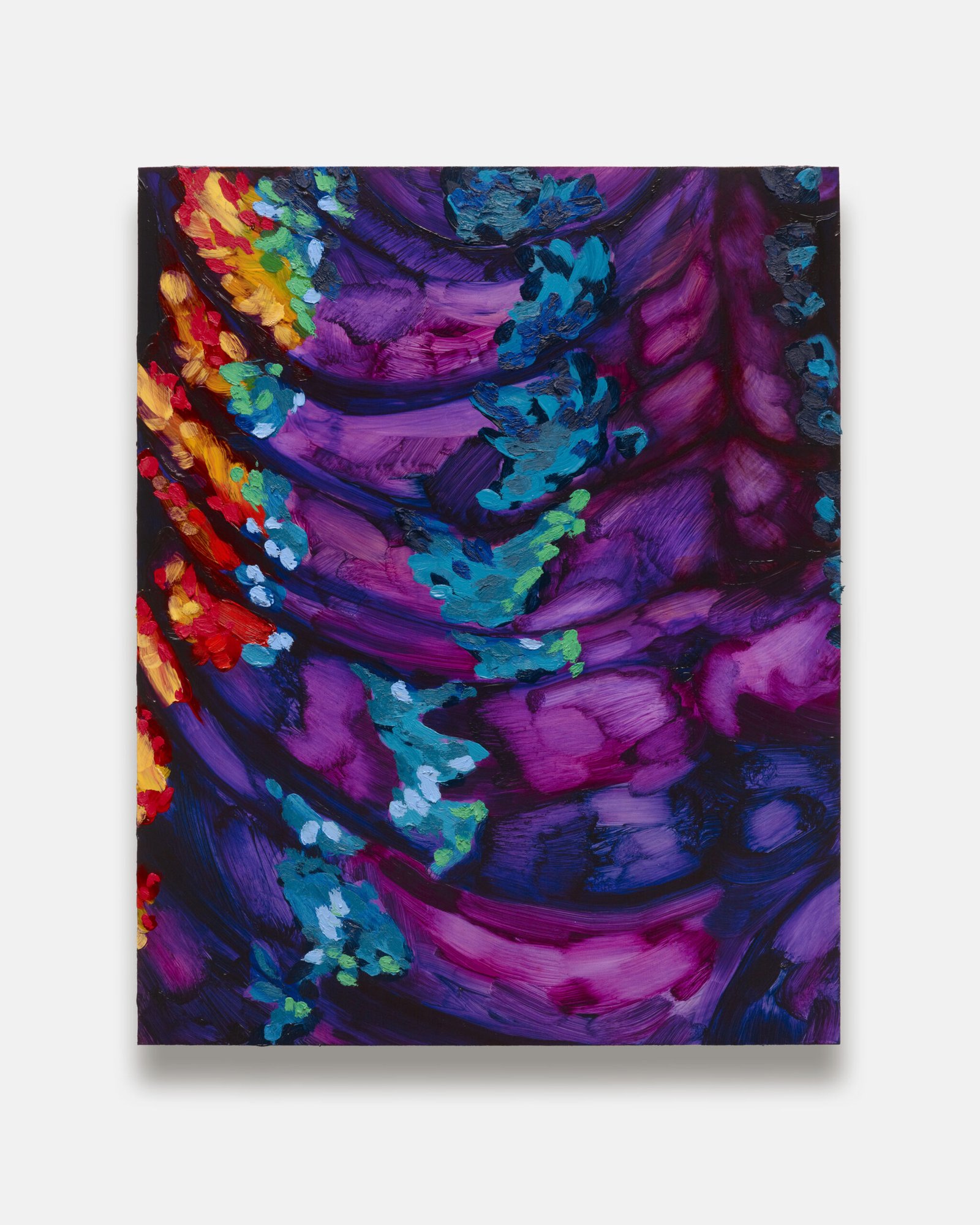
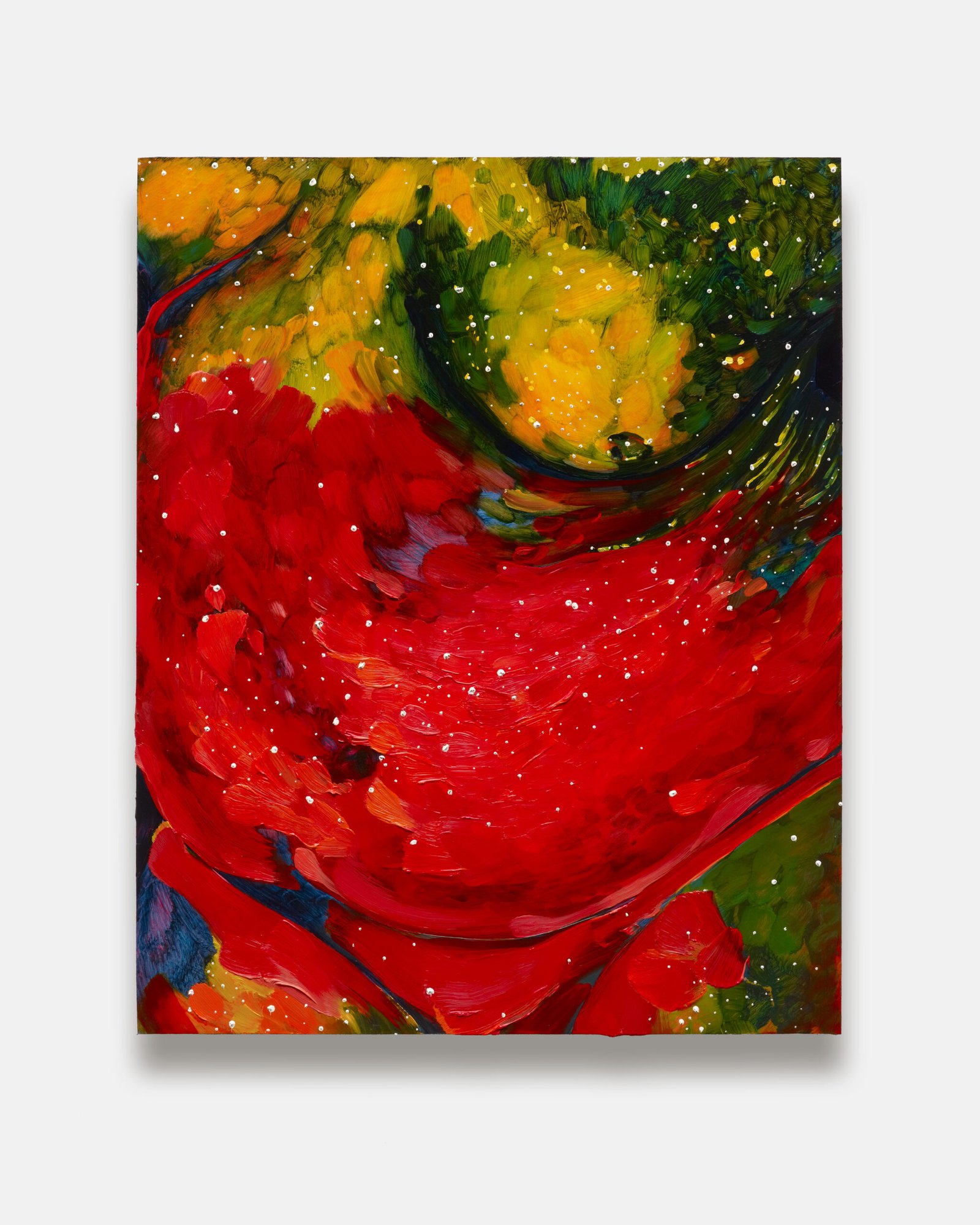
We’re excited to be showing Katie Tomlinson and Victor Lim Seaward as part of the main section, and one of our represented artists, Maria Szakats, has also been selected by Marcelle Joseph for her curated section — it’s Maria’s Italian debut, after a busy 12 months which has see her stage sell out shows in London and LA as well as feature in her first institutional exhibitions.
Katie’s paintings are part of a series that focus on cropped sections of the female body, merged with elements of mythical creatures and marine life. She brings a contemporary lens to the gendered biases of art history and finds new ways to express those ideas. Victor, meanwhile, works with emergent technologies — combining digital modelling, 3D printing, and electroforming in precious metals to create sculptural objects that feel both ancient and futuristic. His work draws on multiple cultural references, creating these jewel-like artefacts with a strong sense of historical and cross-cultural dialogue.

3. What drew you to MEGA, and how does it differ from other fairs?
There are a few things that drew us to MEGA. First and foremost, the organisers — who we know and have worked with before. Then there’s Milan itself, which is an exciting city with a vibrant, growing art market. But also, MEGA represents the kind of independent, alternative thinking we’re drawn to.
As a gallery, we try to question established norms — not to be disruptive for the sake of it, but because we believe there are better ways to connect with audiences and support artists. That means looking for opportunities outside the usual commercial structures — whether that’s alternative fairs, public commissions, or projects like the outdoor exhibitions we’ve curated in Canary Wharf, or the sculpture park we ran in Buckinghamshire for several years. We’re always exploring different ways of engaging new audiences and expanding access to contemporary art.
4. Can you tell us about a moment or project that helped shape your identity as a gallery?
The first thing Lily and I did together was organise a year-long artist residency in Mexico City. We sent UK-based artists to live and work there — giving them access to new materials, ideas, and contexts — and brought it all together with a group show at Studio Block M74.
Although the pandemic disrupted our plans to continue the residency, it left a lasting mark — not just on the artists, but on how we work. We saw how powerful those experiences were in shaping practice over time. It taught us to remain open, to prioritise artist-led initiatives, and to trust that some of the most creatively valuable projects might not align with traditional gallery logic — but pay off in deeper, more meaningful ways.
5. Collaboration, community and connection are at the heart of both MEGA and Amici. How do those values show up in your work?
They’re central to everything we do. Fitzrovia has become a real hub for new galleries — many of us opened post-pandemic — and there’s a genuine sense of collaboration in the area. We’ve been working with neighbouring galleries to trial Fitzrovia Lates, create an area-wide art map, and set up a collective platform to support and promote one another.
That belief — that we’re stronger together — extends to how we communicate with audiences too. As a small gallery, we’re aware of how intimidating the art world can be, especially for new collectors. We work hard to make the gallery space and our language more accessible, to remove the barriers that often surround contemporary art. We want everyone to feel welcome — to feel like they have the right to engage, respond, and enjoy what they see, no matter their level of experience.

More Media
March 11, 2026
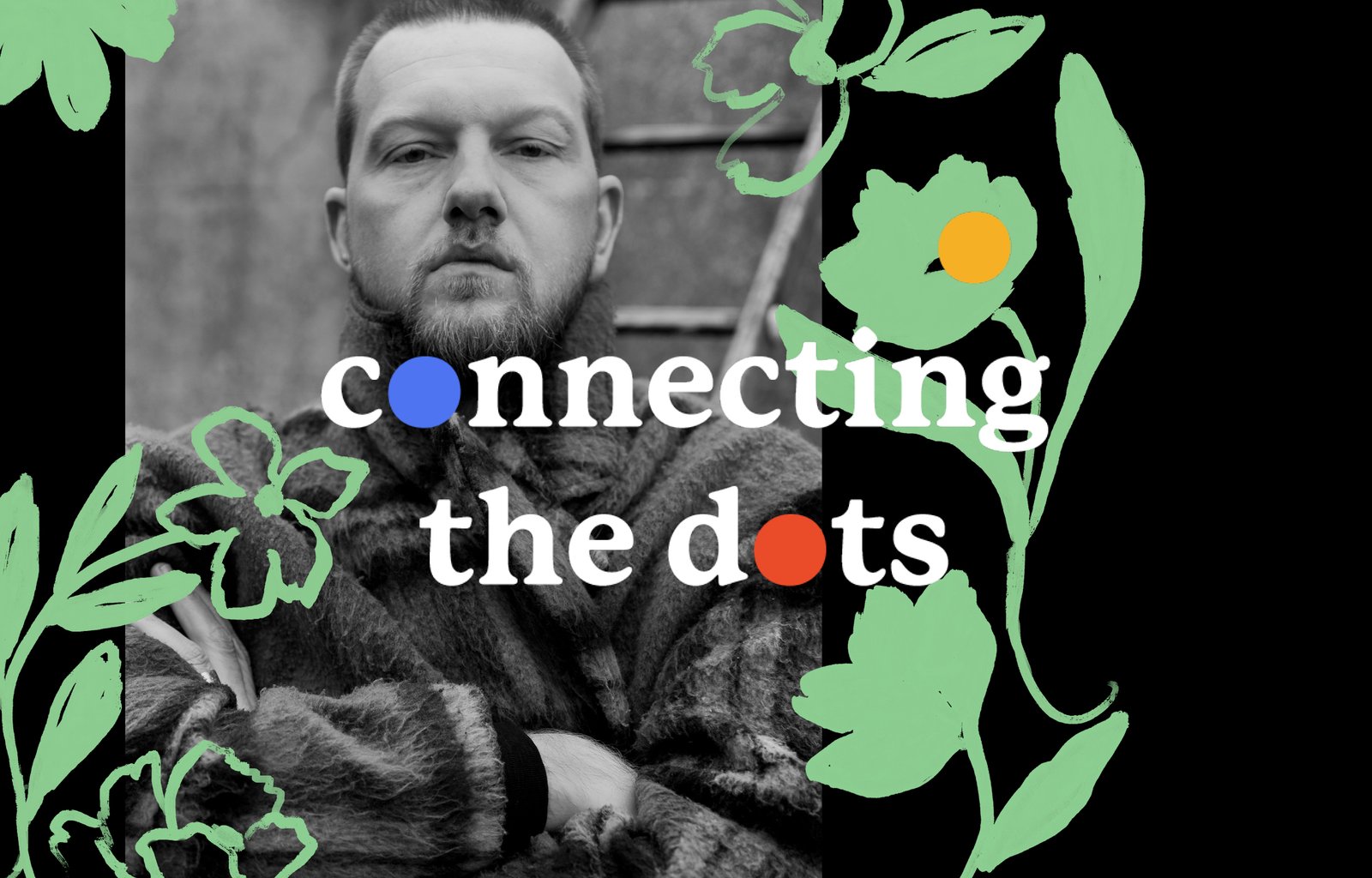
In this special episode – in collaboration with the spring issue of Get Hastings magazine – George speaks with singer-songwriter Alexander Wolfe at Amici Studio in Hastings. Known for his deeply personal songwriting, Wolfe reflects on the release of his new album Everythinglessness and the experiences that shaped it. The conversation explores themes of masculinity, mental health, recovery and creative honesty, as well as Wolfe’s journey from South East London to Hastings and the role music has played in navigating identity and change. Together they discuss the importance of community, vulnerability and connection, and how these ideas continue to shape both Wolfe’s work and his life.
March 11, 2026
In this conversation George speaks with artist and Project Art Works co-founder Kate Adams at the Project Art Works gallery in Hastings. Having first encountered the organisation through its Turner Prize nomination in 2021, George was keen to talk with Kate about the origins and evolution of Project Art Works and the community that has grown around it. The conversation explores how the organisation began as a way for Kate to better understand and support the creative life of her son Paul, who has complex support needs, and how it has since developed into an internationally recognised collective working at the intersection of art and care. Surrounded by paintings by Project Art Works artist Christopher Tite, they discuss studio practice, collaboration and the relationships that sustain creative communities.
February 11, 2026
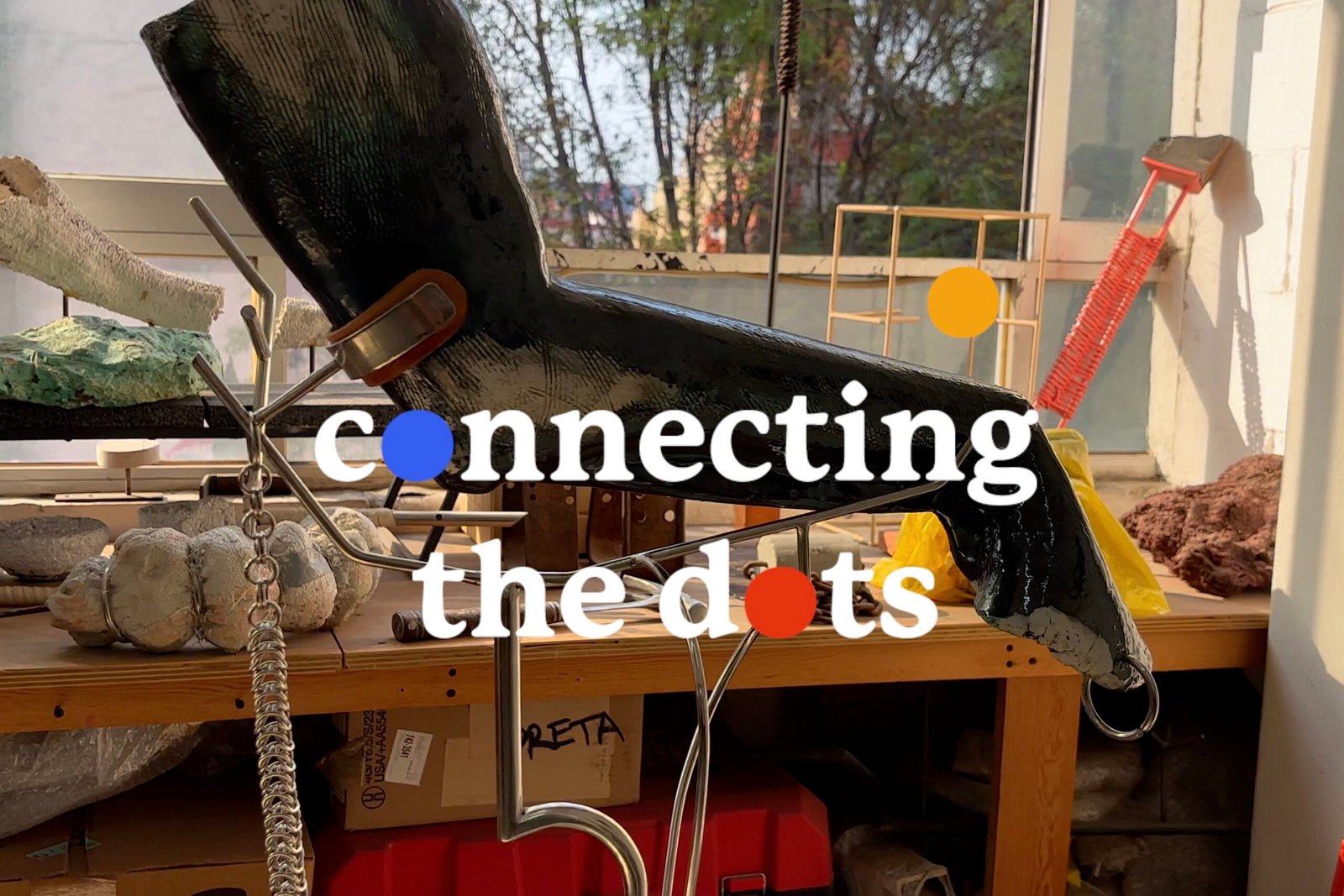
In this conversation George speaks with Yeni Mao in his Mexico City studio. This episode is released to coincide with Mexico City Art Week 2026 when Yeni will be exhibiting with Brooke Benington at the Material Art Fair as well as other projects across the city. They the importance of communities and subcultures in his sculpture practice and his artistic journey, including living and working in New York before moving to Mexico City and in doing so finding a new and growing audience for his work.