Exhibitions

5 Questions With… Katie Tomlinson

Katie Tomlinson’s paintings are full of strange, seductive energy — where sirens meet sea creatures and beauty becomes something to be questioned, armoured, or refused altogether. Ahead of showing with Brooke Benington at MEGA in Milan, we caught up with the artist to talk about disobedient bodies, feminist figuration, and why the most important art is the kind that fights back.
1. Can you introduce yourself and tell us a bit about your practice?
I’m Katie Tomlinson, and I make paintings that explore familiar, strange narratives. A lot of my work is about heteronormativity, performative femininity, body politics, power structures — and voyeurism as well. I like to overtly reference moments from painting’s history, especially the more problematic parts, as a way of challenging the Eurocentric and patriarchal art history I was taught in school. I use painting to speak to contemporary social issues, with a particular focus on feminism and queer experience.
2. What will you be showing at MEGA in Milan?
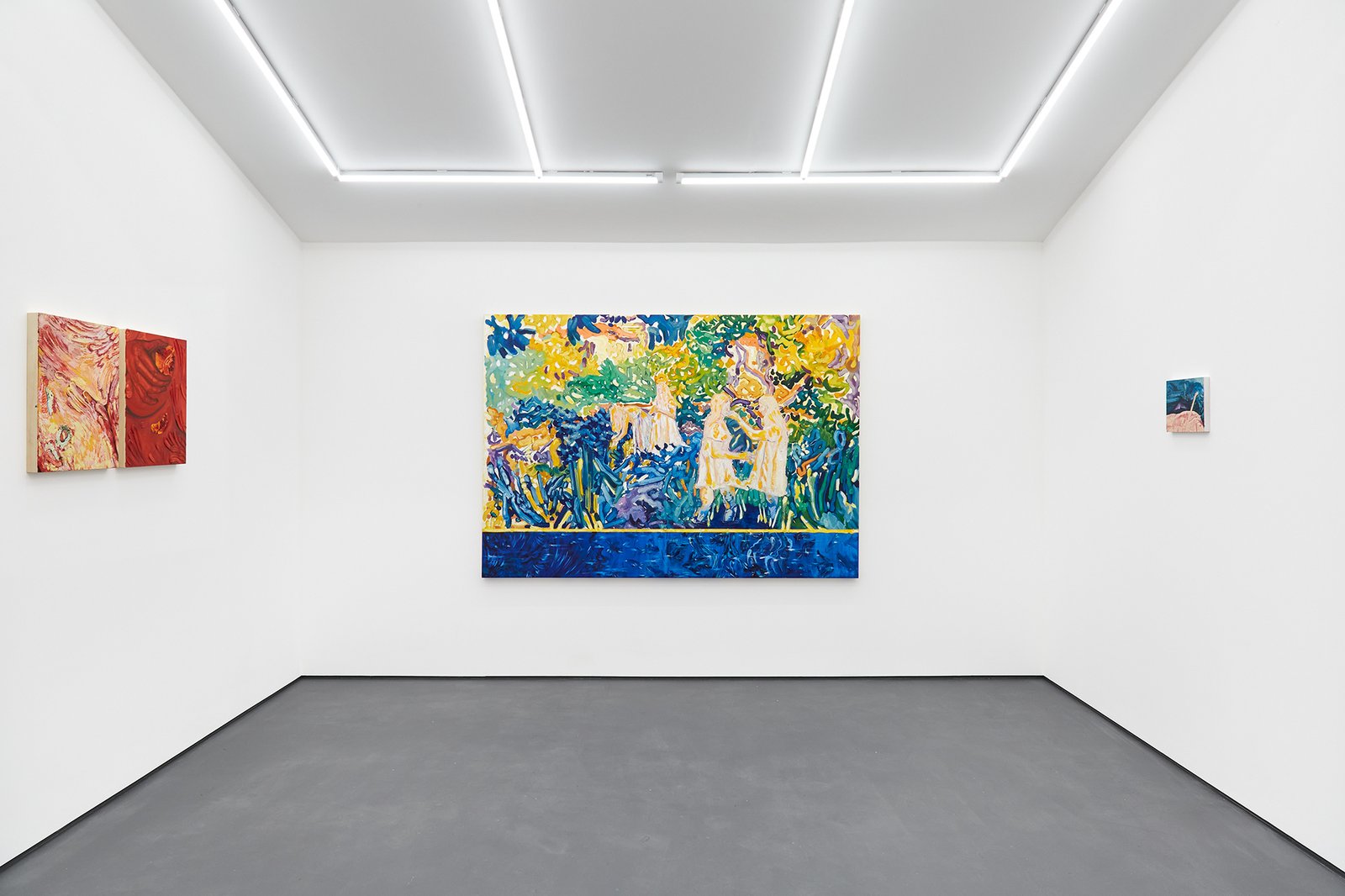
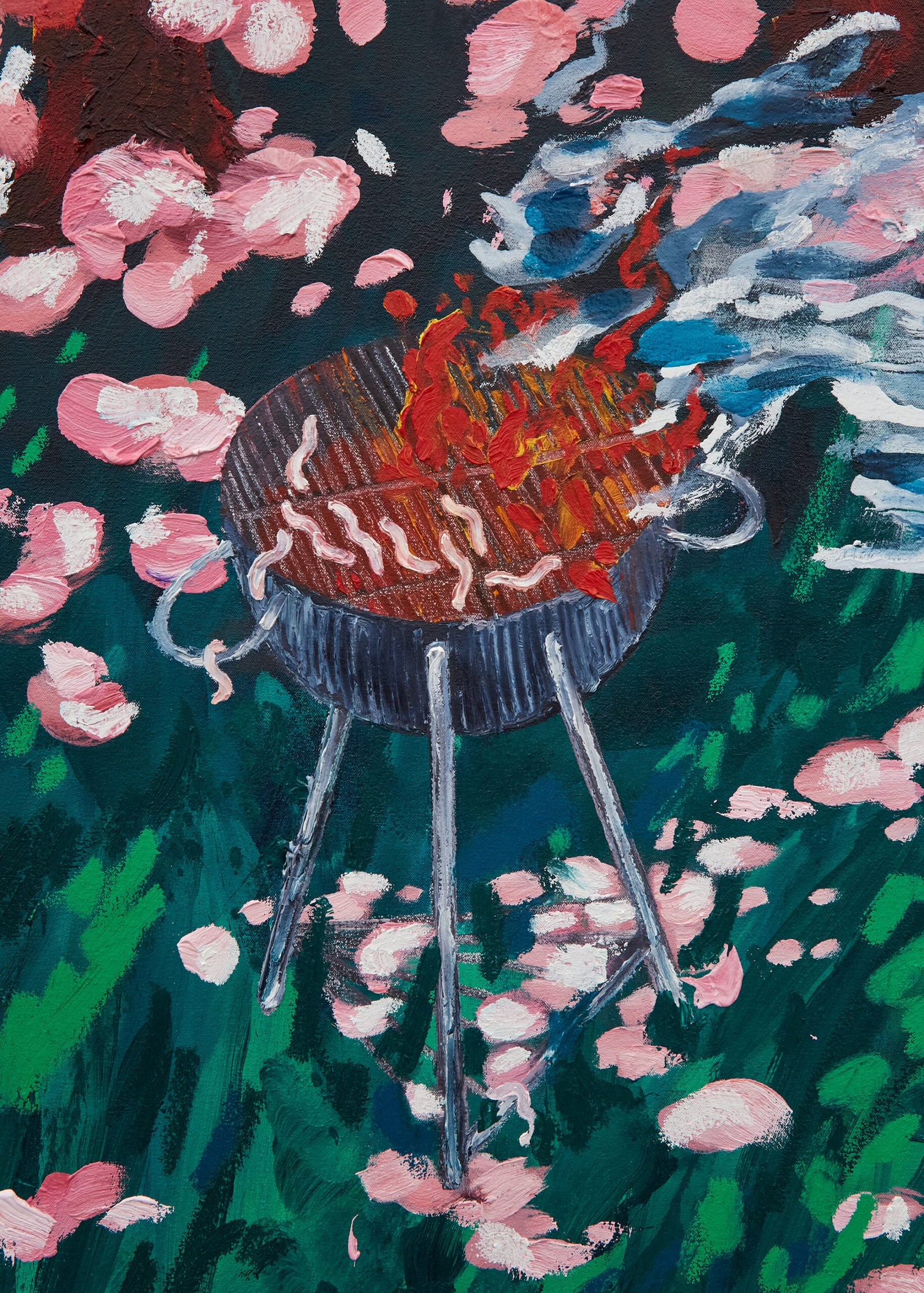
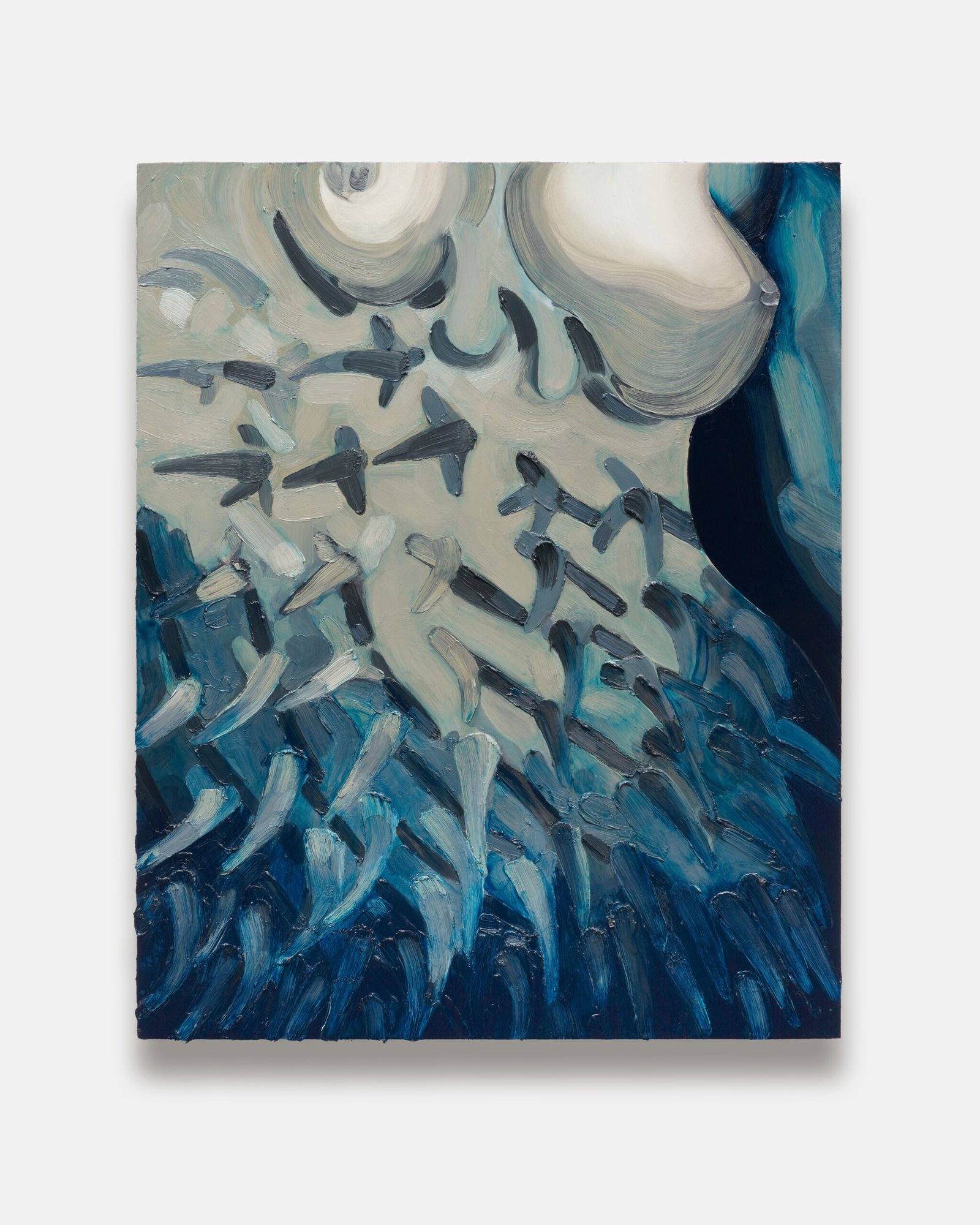
I’ll be showing part of a series called Fantasy Girls — cropped body paintings of these subversive, powerful women or creature-women. They’re unruly, disobedient figures that are kind of exploring the politics of refusal. I’ve merged characters found in classical paintings, like sirens and nymphs, with marine life, so their skin becomes this blend of human and sea creature. I was drawn to marine animals because of their beautiful, wet, luscious textures — but also the grotesque, slimy, alien quality. I wanted to think about that in relation to beauty and the beauty industry, and how feminine beauty is controlled within a capitalist system.

3. What does community mean to you as an artist?
Community, to me, is about belonging. In terms of an artist community, it’s important to be surrounded by people who care about the kind of stuff you care about. Supportive networks, like-minded people — people who really give a shit about the same shit you do. As an artist, I’m trying to create narratives that reflect where we’re at in society, and it’s a weird, difficult, quite crap moment in the world right now. But making art can be a way to push back. And when you’ve got a community around you who also want to push back — instead of just shutting down or giving up — that’s really important. I think art that actually does that is literally the most important art to make.
4. Is there an artist, or group of artists, who has particularly inspired you?
There are literally so many. I’m especially drawn to feminist and queer artists who explore narrative figuration — painters who use characters and storytelling to look at the systems we’re in and create subversive narratives to highlight and critique these systems or reimagine new systems. Like, Nicole Eisenman, Lubaina Himid - she’s amazing and I’m so excited that she’s representing us at the Venice Biennale - Olivia Sterling, Lydia Pettit, Victoria Cantons, Christina Quarles, Tala Madani… also queer practitioners like Paul Harfleet and The Pansy Project, Chester Tenneson — artists who are creating work that, again, critiques, that pushes. That’s the kind of work I’m obsessed with.
5. Can you tell us about an exhibition, artwork or project that helped shape your identity as an artist?
I honestly can’t think of a project, exhibition, or artwork that hasn’t shaped me. My practice is always under scrutiny—constantly shifting, developing, in motion. That probably comes from having a working-class Yorkshireman for a dad; self-reflection and self-awareness were drilled into me from childhood. I never want to make the same thing twice—what’s the point in that?
Looking back at my first solo exhibition, Fight The Moon at Paradise Works—just as I was starting my two-year MA at the Royal College of Art, before my practice got torn down, rebuilt, and refined—there was a raw freedom in that show. Not something you learn at art school, more a product of my personality and being weird. It was unapologetic, loud, playful, a bit silly—full of pure enjoyment. And yet, there was also a lot of buried trauma in that work. I think about those paintings a lot, they shaped my identity, I never want to lose that energy.


More Media
March 11, 2026
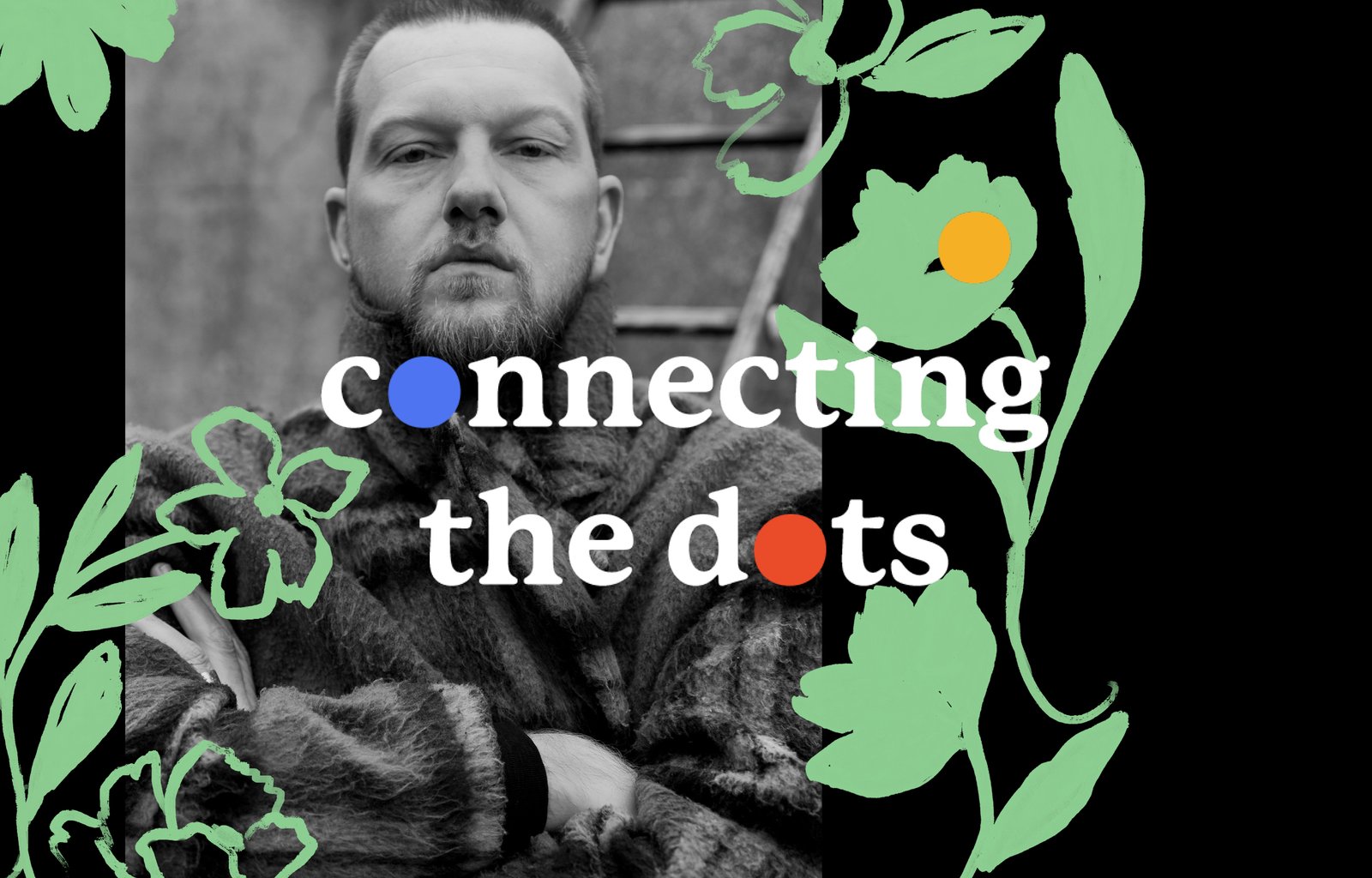
In this special episode – in collaboration with the spring issue of Get Hastings magazine – George speaks with singer-songwriter Alexander Wolfe at Amici Studio in Hastings. Known for his deeply personal songwriting, Wolfe reflects on the release of his new album Everythinglessness and the experiences that shaped it. The conversation explores themes of masculinity, mental health, recovery and creative honesty, as well as Wolfe’s journey from South East London to Hastings and the role music has played in navigating identity and change. Together they discuss the importance of community, vulnerability and connection, and how these ideas continue to shape both Wolfe’s work and his life.
March 11, 2026
In this conversation George speaks with artist and Project Art Works co-founder Kate Adams at the Project Art Works gallery in Hastings. Having first encountered the organisation through its Turner Prize nomination in 2021, George was keen to talk with Kate about the origins and evolution of Project Art Works and the community that has grown around it. The conversation explores how the organisation began as a way for Kate to better understand and support the creative life of her son Paul, who has complex support needs, and how it has since developed into an internationally recognised collective working at the intersection of art and care. Surrounded by paintings by Project Art Works artist Christopher Tite, they discuss studio practice, collaboration and the relationships that sustain creative communities.
February 11, 2026
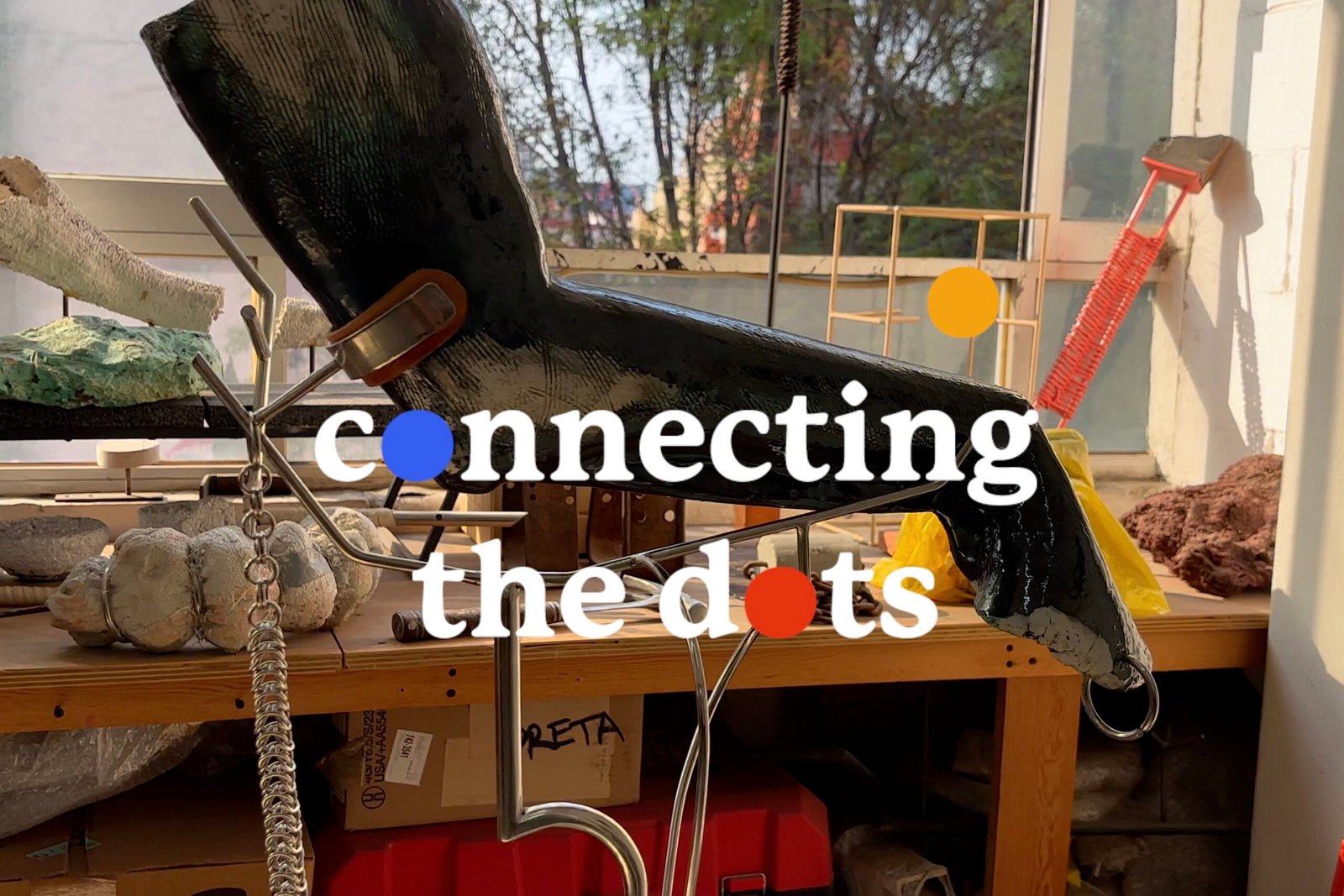
In this conversation George speaks with Yeni Mao in his Mexico City studio. This episode is released to coincide with Mexico City Art Week 2026 when Yeni will be exhibiting with Brooke Benington at the Material Art Fair as well as other projects across the city. They the importance of communities and subcultures in his sculpture practice and his artistic journey, including living and working in New York before moving to Mexico City and in doing so finding a new and growing audience for his work.