Exhibitions

MEGA Milano: Art, Aperitivi, and Amici

In the ever-accelerating world of contemporary art, the MEGA Art Fair moves at a different pace. Launched in 2024 by Marta Orsola Sironi, Mauro Mattei, and Mattia Pozzoni, MEGA was born from a shared exhaustion with the relentless rhythm of the art fair circuit.
“We were spending so much time travelling between fairs,” Marta explains, “but never really stopping to enjoy what we were seeing — or who we were seeing it with.” Days would pass in a blur of booths and back-to-back previews, with little space to breathe, let alone connect. MEGA was imagined as an antidote: a place where art could unfold more gently, and where the experience of being there mattered just as much as the transactions taking place.
At its heart, MEGA is infused with a distinctly Italian sensibility. Slower, warmer, more social. The kind of space where relationships are nurtured around a table, where conversation flows with the wine, and where time is considered not in terms of appointments, but in the quality of the moments shared. “In Italy, so much happens over food,” Marta says. “You invite someone to dinner, you talk, you connect. That’s where real things begin.”


It’s a sensibility that extends far beyond aesthetics. Rather than mimicking the transactional flow of a typical art fair — booth to booth, handshake to sale — MEGA fosters a kind of soft hospitality. “We wanted to make something that felt more like a gathering than a marketplace,” Marta continues. “A place where people can spend time, discover new work, and really meet each other. Not just network — meet.”
The model itself reflects this approach. MEGA presents a curated exhibition rather than rows of booths, grouping galleries’ works in a way that encourages flow and dialogue. In last year’s edition, artworks were intermingled throughout the space, but this year sees a slight refinement: galleries’ presentations will be kept together, allowing them to speak about the work more easily and engage directly with collectors. But the layout remains open and relational — more a series of interconnected rooms than a grid of partitions. “You can always see into the next space,” Marta explains. “You always feel what’s around the corner.”
Hospitality is also central to the visitor experience. Extended opening hours, on-site bars, and a public programme that stretches into the evening create the conditions for lingering — something rare in the tightly scheduled calendar of art world events. The emphasis is not just on what’s shown, but how it’s experienced. “We believe that when people are more relaxed, when they share a drink or a meal, they’re more open — more curious,” Marta says. “That’s when they discover things they weren’t expecting.”
This year’s public programme is MEGA’s most ambitious yet, with performances, talks, and screenings designed to create meaningful entry points into the work on view. Highlights include a talk with Tarek Lakhrissi, a performance by Ambra Castagnetti, and a preview screening of new acquisitions by the Seven Gravity Collection. “We want people to leave MEGA having experienced something,” Marta says, “not just having looked at things.”


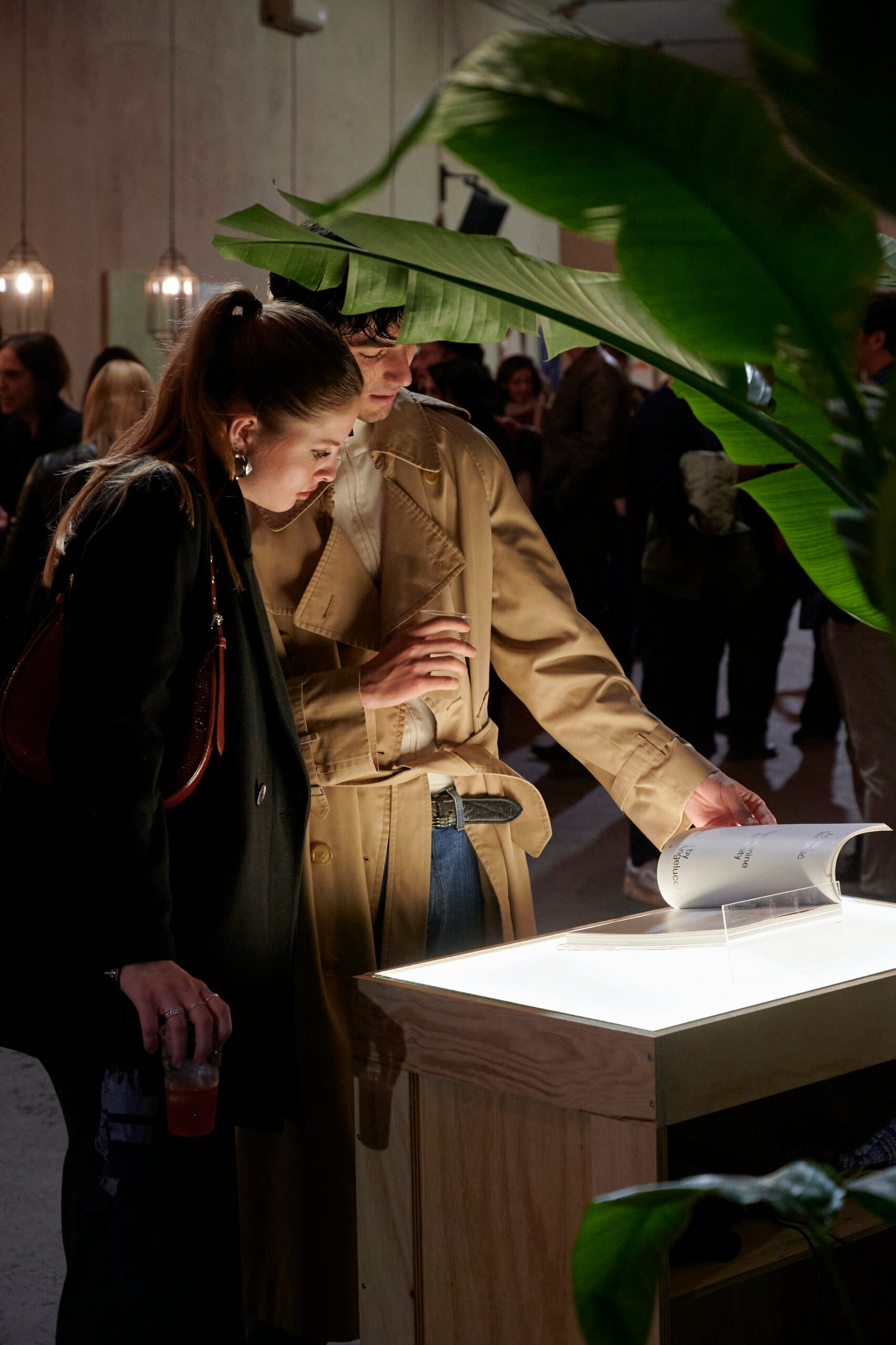
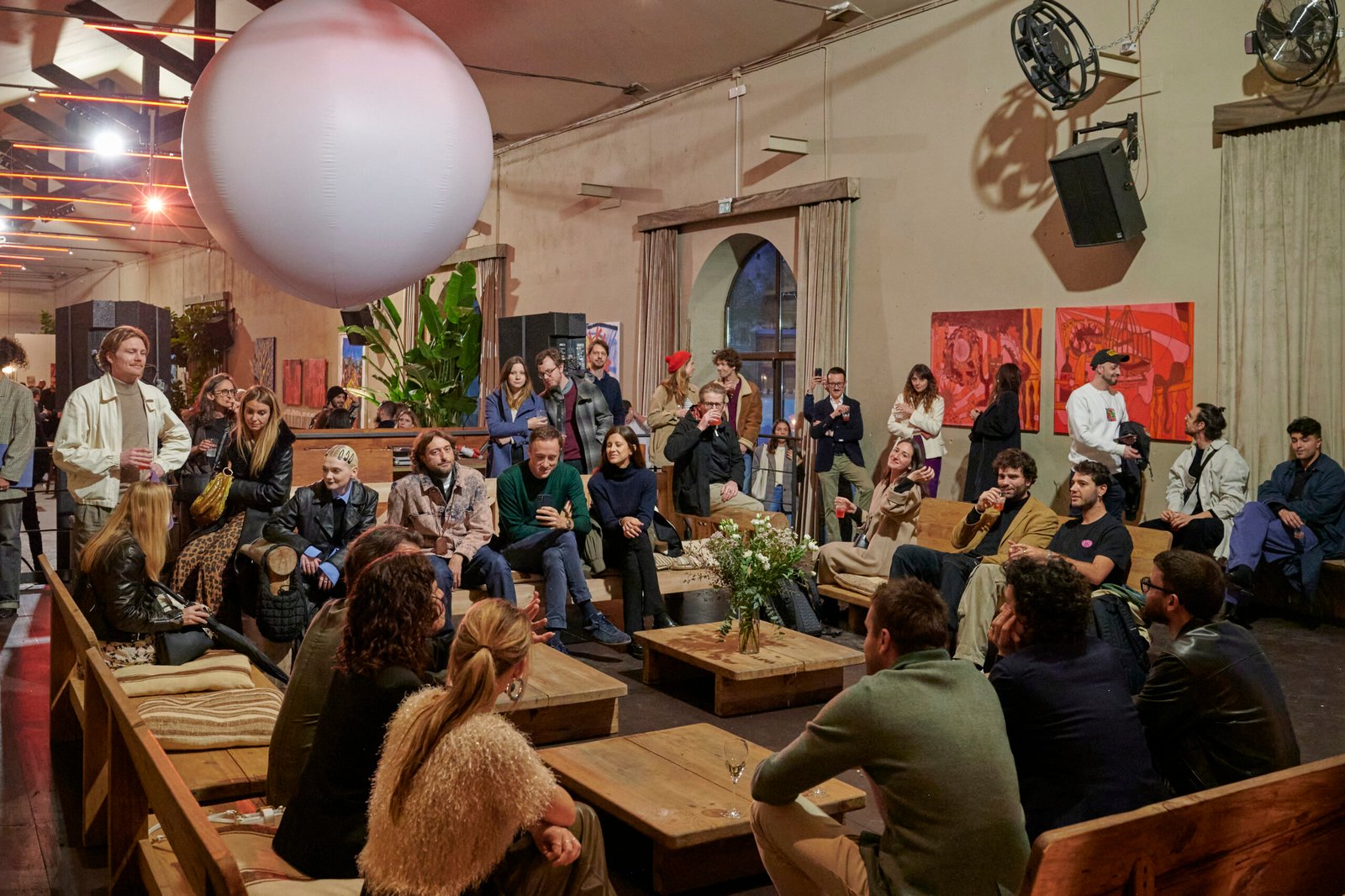
The idea of togetherness runs throughout. From shared meals to shared walls, MEGA is built around moments of connection — and not just between artists and collectors. Last year, Marta recalls receiving a message from one gallery: “We’re not coming to the fair today — we’re having lunch with the others. Can you recommend a restaurant?” Those same galleries are now collaborating, sharing artists, and planning future projects together. “That’s the dream,” she says. “To be the place where things like that start.”
One of this year’s most anticipated additions is the dedicated curatorial section led by Marcelle Joseph, known for her dynamic championing of emerging artists in London. The section brings together artists and institutions in a standalone show-within-the-fair, curated entirely by Joseph. “Every artwork was approved by Marcelle,” Marta notes. “It’s her vision — we just helped bring it to life.”
Though the fair is still young, the energy around it is palpable. And while talk of taking MEGA abroad continues to bubble, the focus remains on Milan — a city that feels increasingly central to Europe’s art scene, and which all three founders are deeply rooted in. “People keep suggesting we could do it in other cities,” Marta says. “And maybe one day we will. But first, we want to grow here. Milan is our home.”
If MEGA continues to feel like more than just an art fair, it’s because it is. It’s dinner with friends. It’s a drink in the courtyard. It’s the long conversation that sparks something new. A place where art — and the people who make, show, and love it — can take their time.


More Media
March 11, 2026
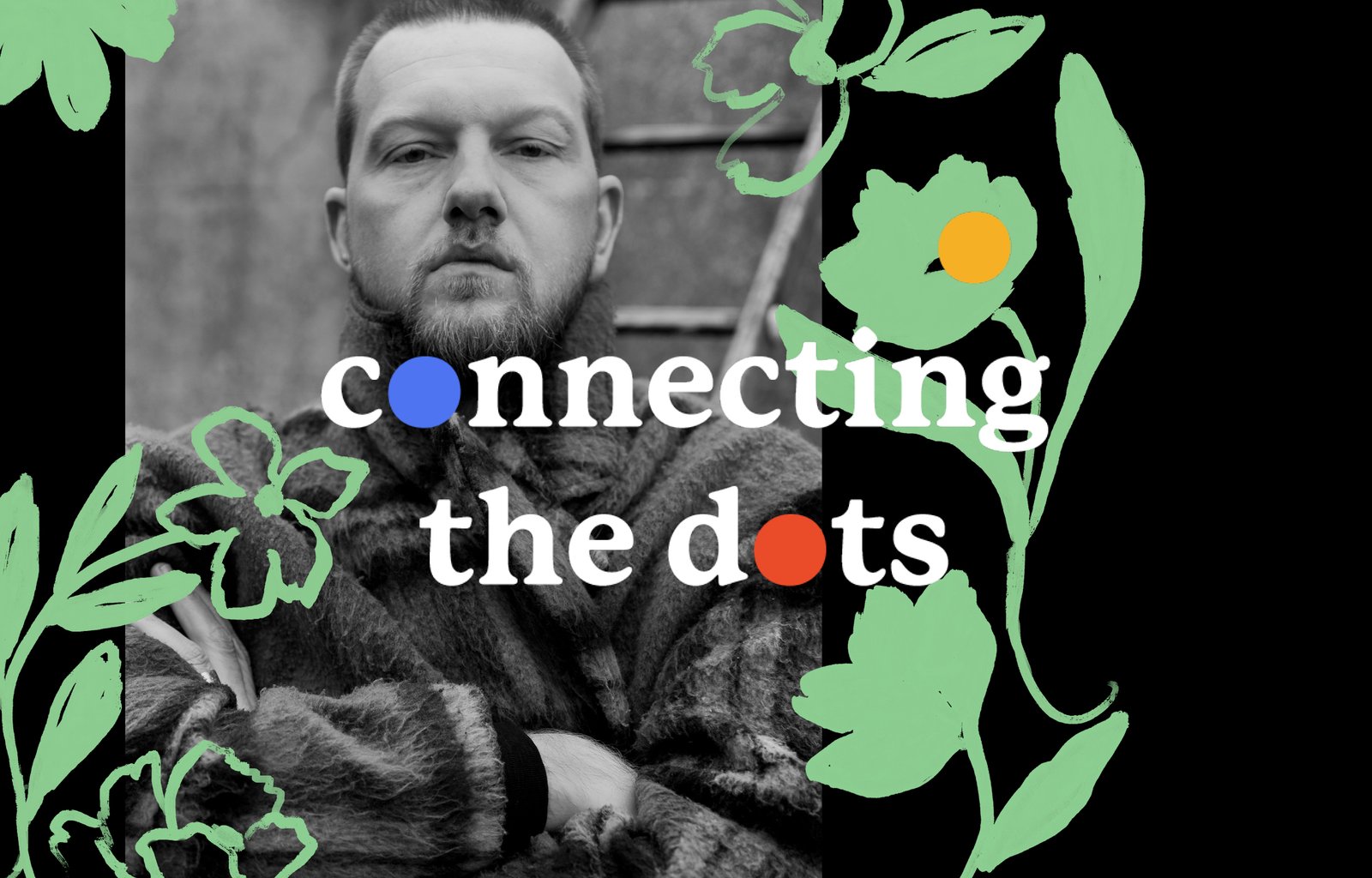
In this special episode – in collaboration with the spring issue of Get Hastings magazine – George speaks with singer-songwriter Alexander Wolfe at Amici Studio in Hastings. Known for his deeply personal songwriting, Wolfe reflects on the release of his new album Everythinglessness and the experiences that shaped it. The conversation explores themes of masculinity, mental health, recovery and creative honesty, as well as Wolfe’s journey from South East London to Hastings and the role music has played in navigating identity and change. Together they discuss the importance of community, vulnerability and connection, and how these ideas continue to shape both Wolfe’s work and his life.
March 11, 2026
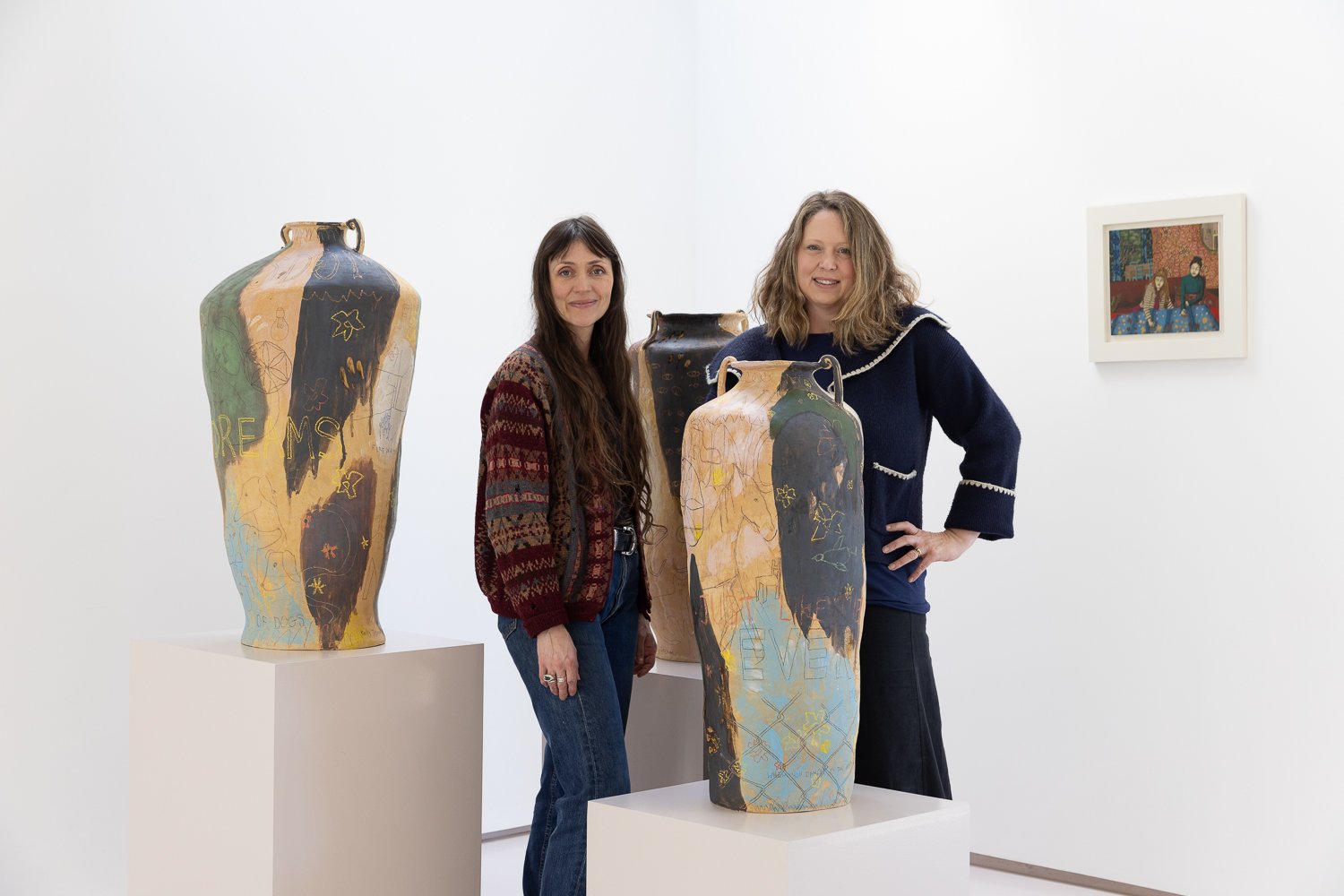
In this conversation George speaks with artist and Project Art Works co-founder Kate Adams at the Project Art Works gallery in Hastings. Having first encountered the organisation through its Turner Prize nomination in 2021, George was keen to talk with Kate about the origins and evolution of Project Art Works and the community that has grown around it. The conversation explores how the organisation began as a way for Kate to better understand and support the creative life of her son Paul, who has complex support needs, and how it has since developed into an internationally recognised collective working at the intersection of art and care. Surrounded by paintings by Project Art Works artist Christopher Tite, they discuss studio practice, collaboration and the relationships that sustain creative communities.
February 11, 2026
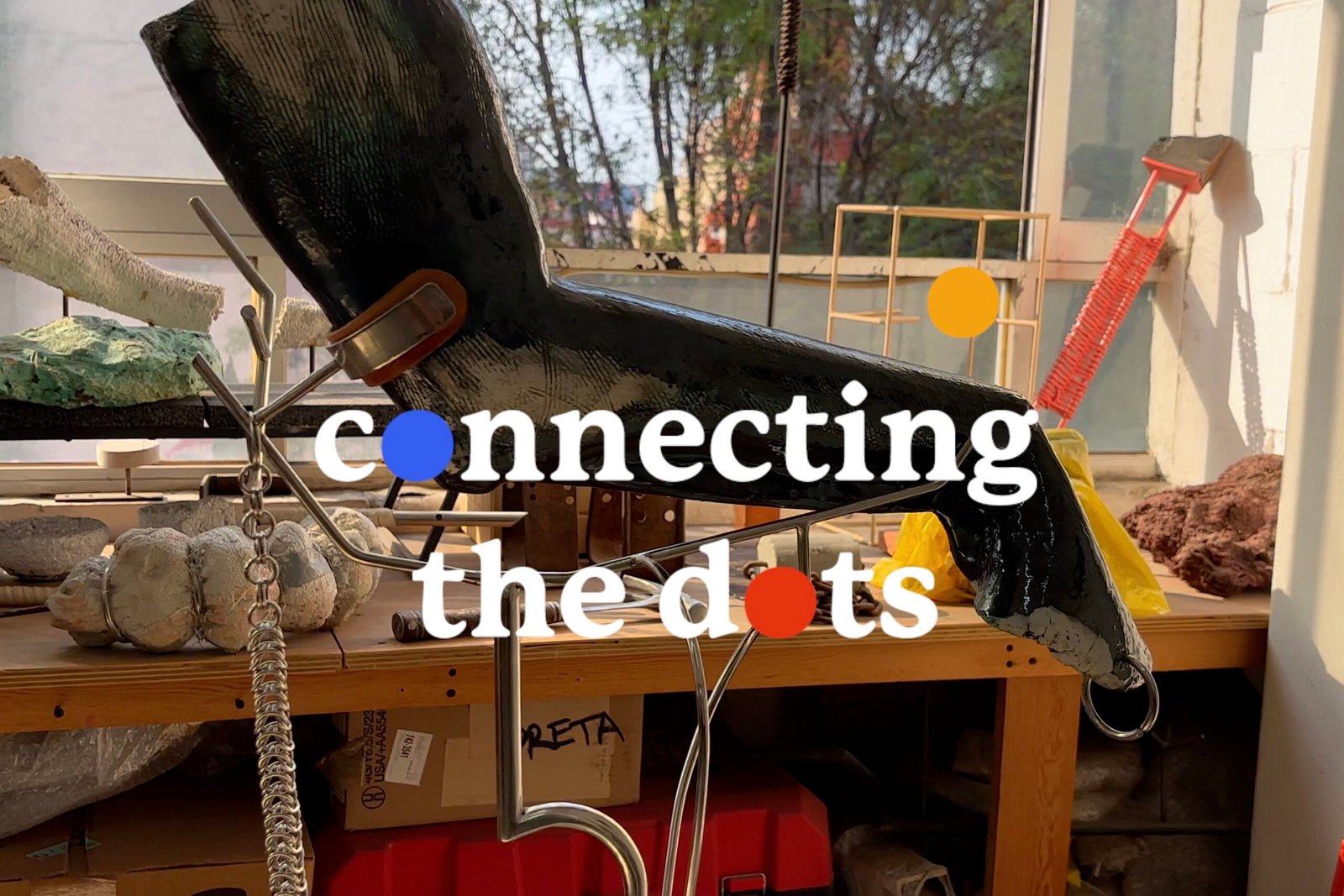
In this conversation George speaks with Yeni Mao in his Mexico City studio. This episode is released to coincide with Mexico City Art Week 2026 when Yeni will be exhibiting with Brooke Benington at the Material Art Fair as well as other projects across the city. They the importance of communities and subcultures in his sculpture practice and his artistic journey, including living and working in New York before moving to Mexico City and in doing so finding a new and growing audience for his work.