Exhibitions

Collecting Connections: Jo Baring and The Ingram Collection

‘Material Thinking’, Lightbox Gallery, 2024. Photo: Denis Guzel.
For over a decade, Jo Baring has been at the helm of The Ingram Collection, shaping it into one of the UK’s most dynamic, evolving art collections. While the collection’s origins lie in Modern British art, it has evolved significantly under Jo’s direction, embracing contemporary artists and fostering a vibrant creative community through initiatives like the Ingram Prize.
“When I joined in 2013, the collection was already an incredible resource, with works by figures like Barbara Hepworth and Elisabeth Frink,” Jo recalls. “But Chris Ingram [the collection’s founder] saw an opportunity to do more - to make the collection accessible, responsive, and engaged with the next generation of artists.”
To many, the idea of a private art collection might seem exclusive, inaccessible - perhaps even indulgent. Yet under Jo’s directorship, The Ingram Collection proves to be anything but. In 2016 it became a charity, the Ingram Art Foundation, and through initiatives like The Ingram Prize, this historic collection of Modern British and contemporary art actively supports emerging artists, nurturing a new generation while challenging conventions of what an art collection can be.
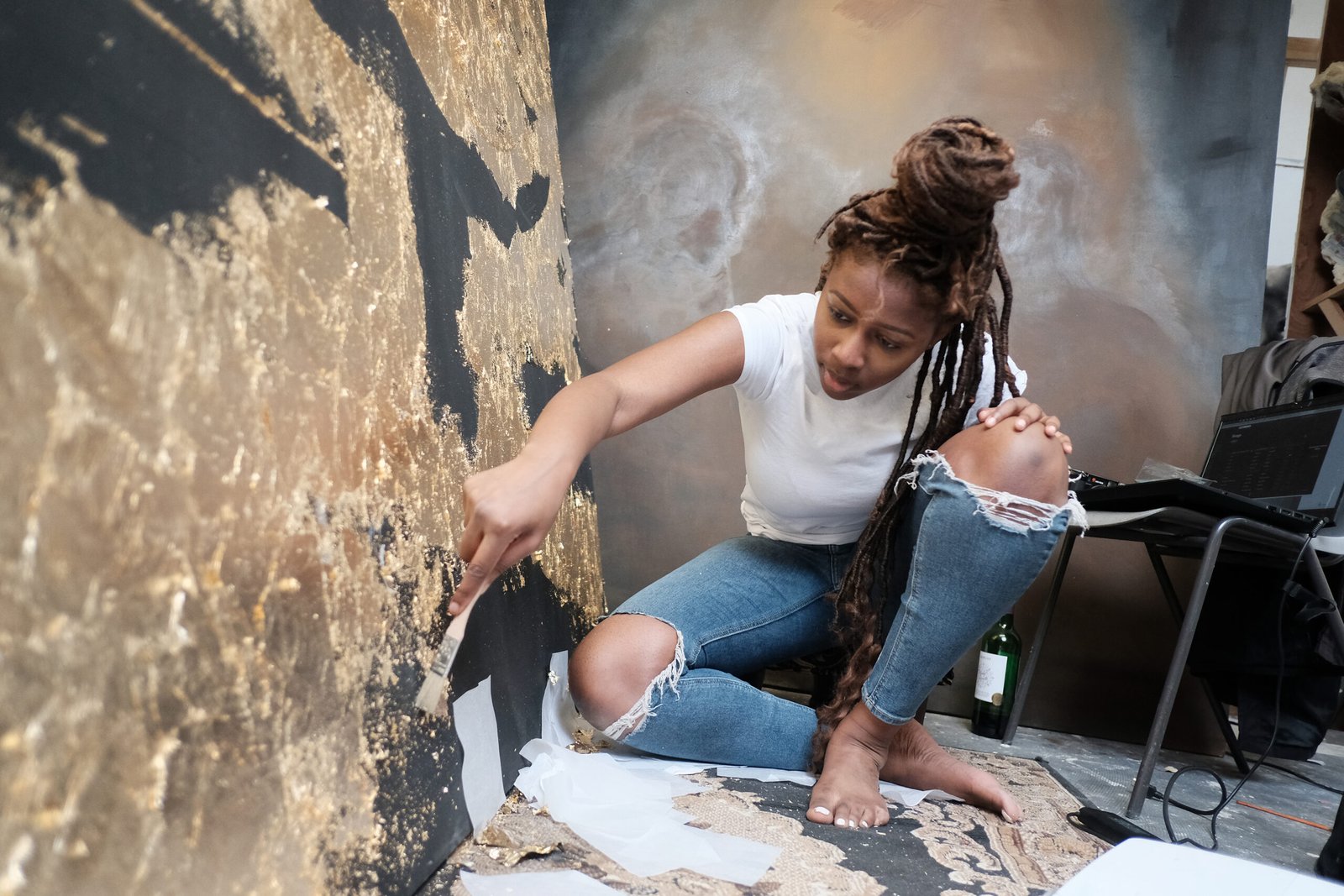
Emma Prempeh, The Vulnerable Disposition, 2019. Image Courtesy of The Ingram Collection and Emma Premph.
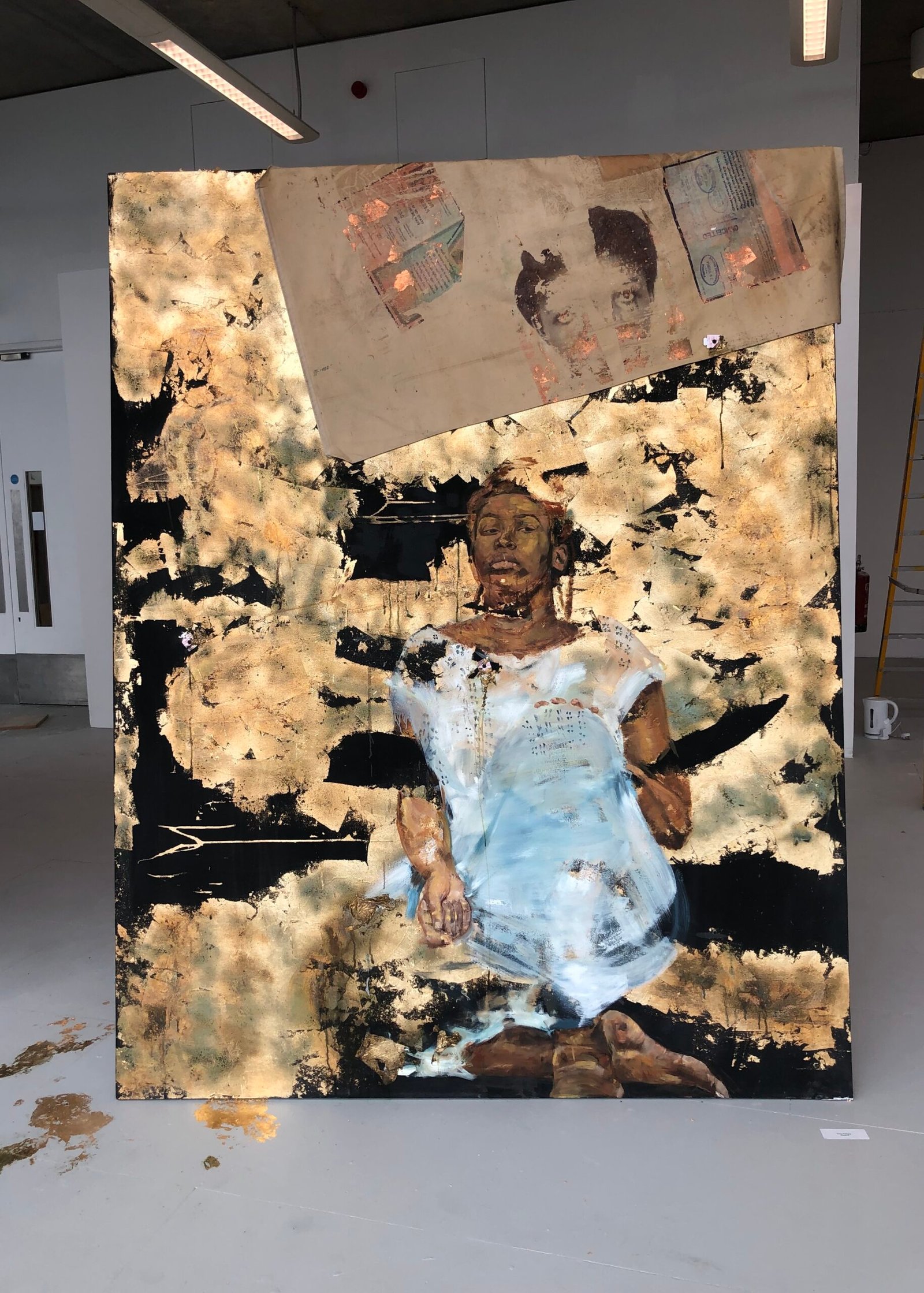
Emma Prempeh, The Vulnerable Disposition, 2019. Image Courtesy of The Ingram Collection and Emma Premph.
The Ingram Prize, now approaching its 10th edition in 2025, exemplifies this forward-thinking ethos. Initially conceived as an acquisition prize for emerging artists, it has grown into a platform that offers much more than financial support. “We’ve always been guided by what the artists tell us they need,” Jo explains. “Over the years, that’s led us to introduce professional development opportunities, residencies, and mentoring programs. It’s not just about acquiring work for the collection; it’s about creating lasting relationships and helping artists build sustainable careers.”
These relationships are central to the vision of The Ingram Collection. Jo speaks warmly of past winners and finalists, many of whom remain in close contact with the collection. “Seeing artists like Emma Prempeh and Sin Wai Kin achieve extraordinary success is incredibly rewarding,” she says. “Seeing Emma exhibiting at Frieze and Sin Wai Kin’s Turner Prize nomination are proud moments for us. But what matters most is hearing from the artists themselves that the prize gave them a confidence boost or opened new doors.”
A defining feature of The Ingram Collection is its ability to connect the past with the present. “We’re not interested in keeping the collection static,” Jo explains. “It’s not about putting works behind glass and leaving them there. We’re constantly finding ways to make the collection relevant to today.”
One of the ways this happens is through collaboration with contemporary artists. “We enjoy inviting artists to curate shows that integrate their work with our Modern British pieces,” Jo says. “It creates fascinating dialogues. For example, Permindar Kaur is curating an upcoming exhibition that will place her work alongside pieces from the collection. She’s drawn to the unsettling, darker elements of interwar and postwar art, which resonate deeply with contemporary concerns.”
This approach reflects Jo’s belief that art’s power lies in its ability to create connections—between artists, audiences, and ideas. “Whether it’s a piece by Hepworth or a recent graduate, the aim is the same: to spark curiosity and foster understanding,” she says.
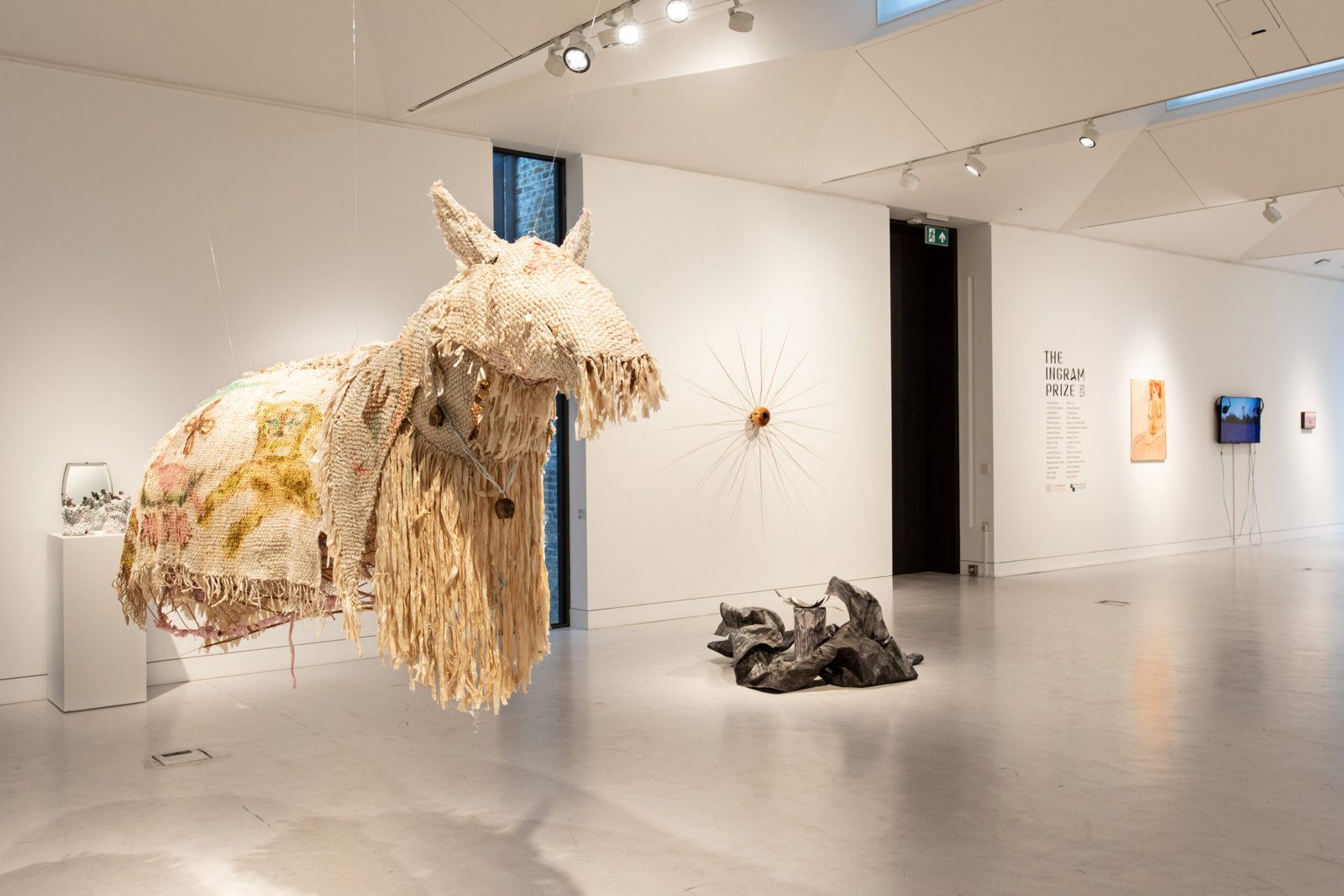
Installation View, 2023 Ingram Prize, Cromwell Place, London. Photo by Phil Adams.
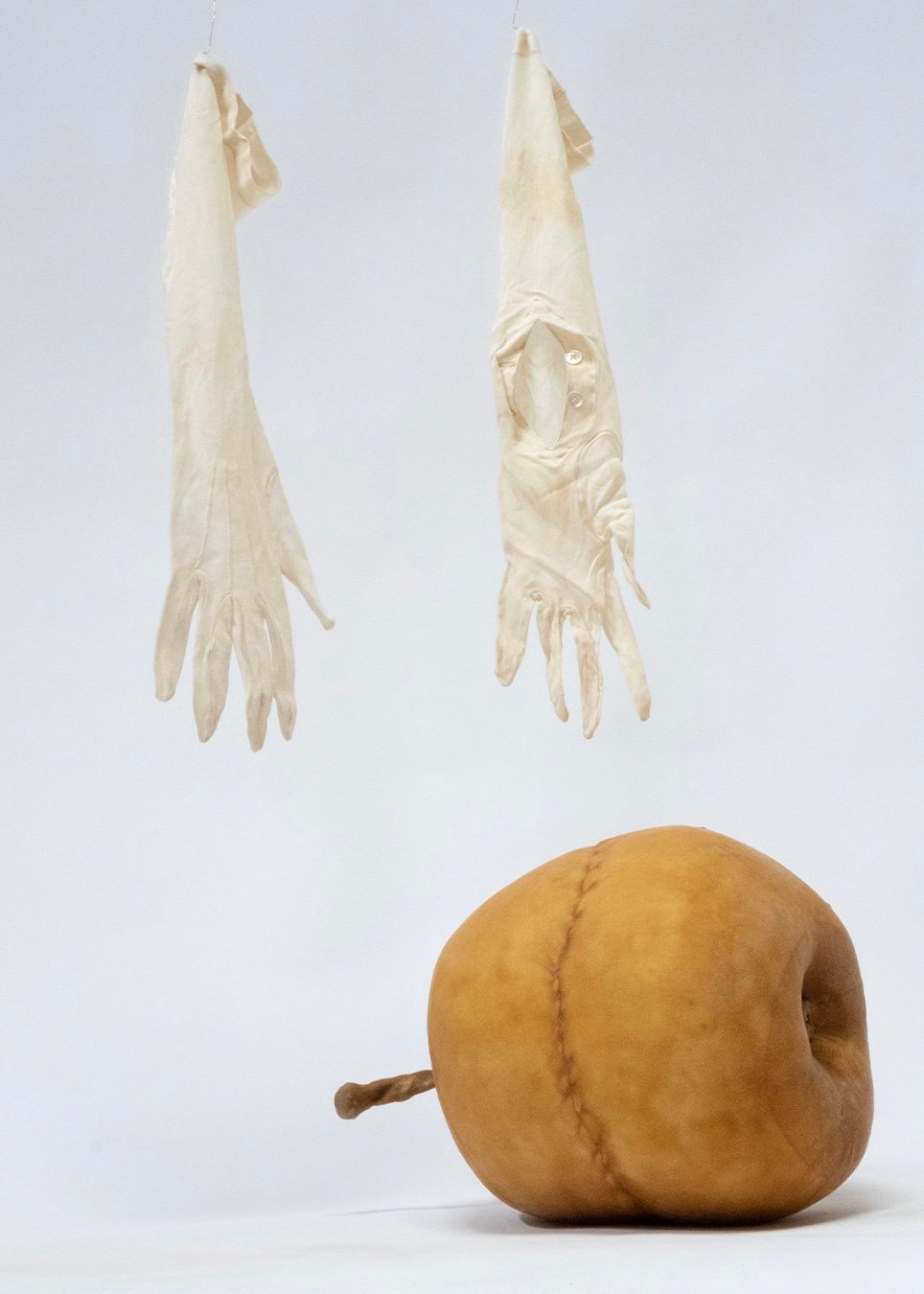
Abigail Norris, The Faellen Aeppel, 2023, Latex, wadding, tights, copper wire, vintage silk gloves. The Ingram Collection. Courtesy of Abigail Norris.
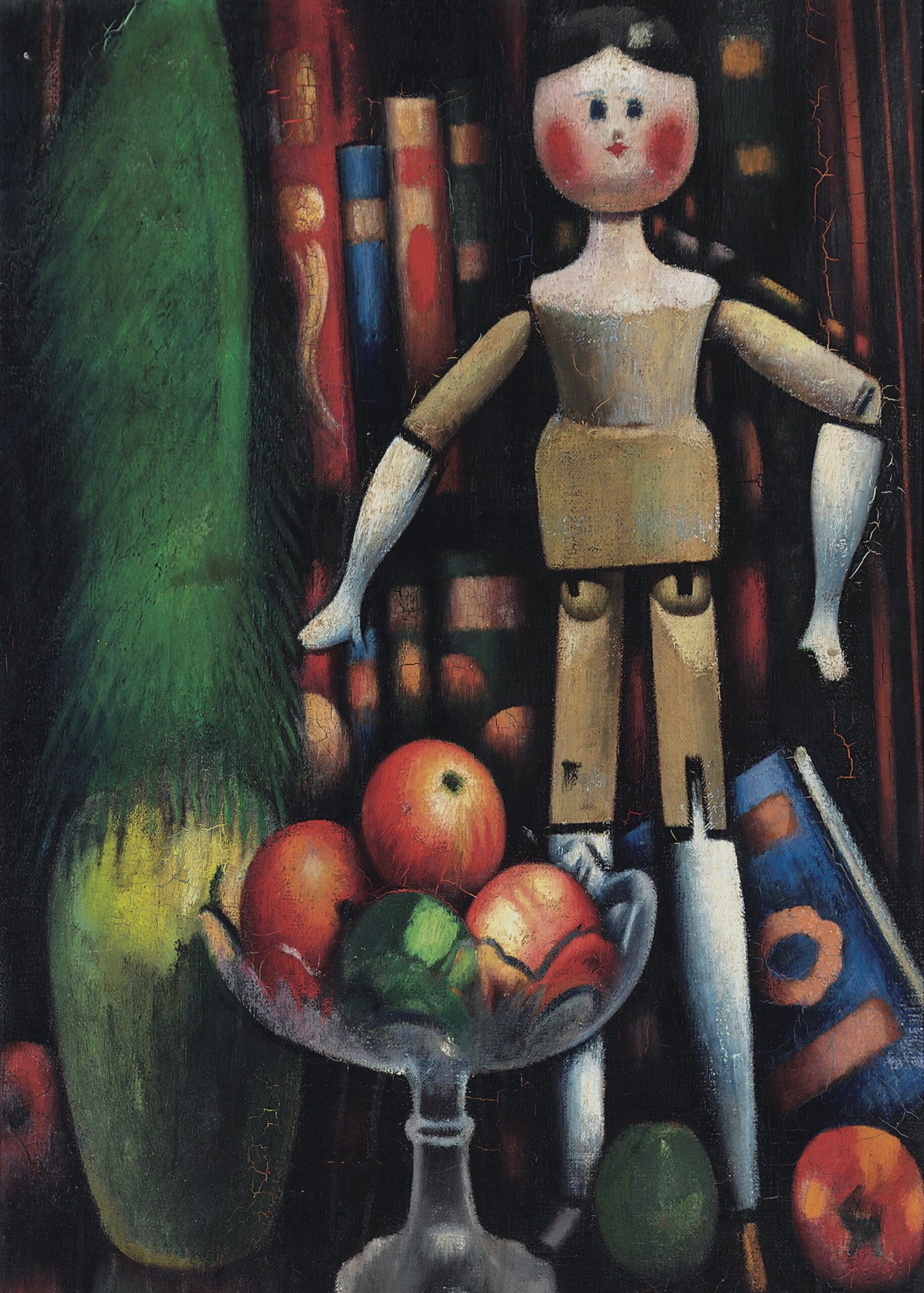
Mark Gertler, The Doll, 1914, Oil on canvas. The Ingram Collection.
Accessibility is another cornerstone of Jo’s work with the collection. “Chris Ingram’s personal experiences have shaped our ethos,” she notes. “He didn’t grow up going to galleries, and he’s always been passionate about breaking down barriers. That’s why The Ingram Prize is free to enter and why we offer travel and shipping bursaries to artists. We want to remove as many obstacles as we can.”
Inclusivity extends to the physical accessibility of the collection as well. “Chris uses a wheelchair, and his perspective has been invaluable in helping us think about how people experience art. From the language we use in our materials to the layout of our exhibitions, we’re always looking for ways to be more welcoming.”
As the 10th edition of The Ingram Prize approaches, Jo is already looking ahead. “We’re planning to take stock of everything we’ve achieved so far,” she says. “That includes documenting the journeys of all our finalists and exploring how the prize has impacted their careers. It’s an opportunity to celebrate, but also to think about how we can continue to evolve.”
For Jo, the future is about building on the collection’s strengths while remaining open to new possibilities. “The beauty of working with Chris is that he’s always up for trying something new,” she says. “Whether it’s collaborating with other institutions, creating opportunities for artists, or finding innovative ways to engage audiences, there’s so much potential to explore.”
Their passion for fostering community and supporting artists has made the collection a model for what a contemporary art collection can be. “At the end of the day, it’s about relationships,” she says. “Whether it’s an artist’s first solo show or a conversation sparked by a piece of art, those connections are what make this work so fulfilling.”
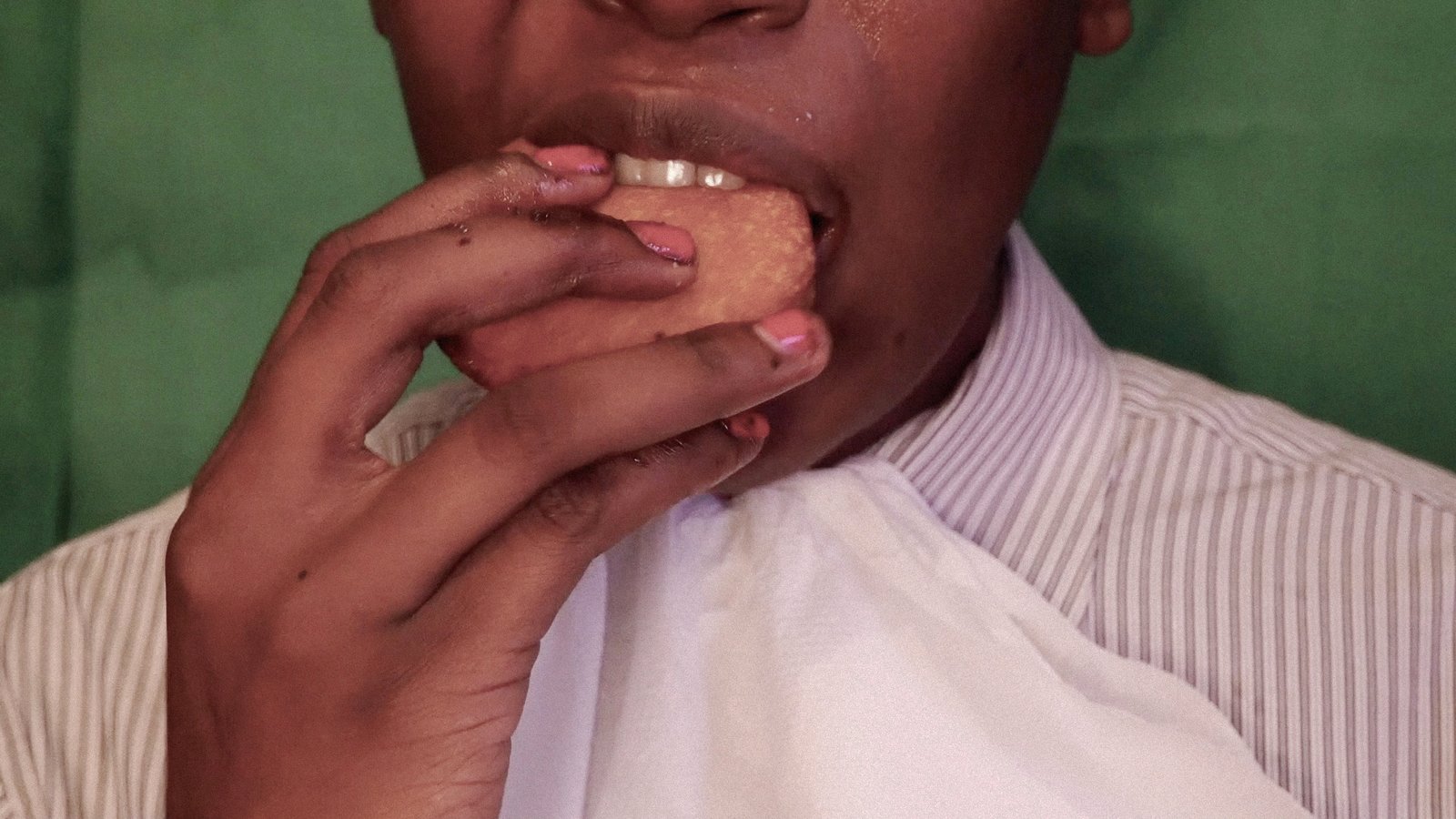
Valerie Asiimwe Amani, Power Hungry, 2020, video. The Ingram Collection. Courtesy of Valerie Asiimwe Amani.
More Media
March 11, 2026
In this special episode – in collaboration with the spring issue of Get Hastings magazine – George speaks with singer-songwriter Alexander Wolfe at Amici Studio in Hastings. Known for his deeply personal songwriting, Wolfe reflects on the release of his new album Everythinglessness and the experiences that shaped it. The conversation explores themes of masculinity, mental health, recovery and creative honesty, as well as Wolfe’s journey from South East London to Hastings and the role music has played in navigating identity and change. Together they discuss the importance of community, vulnerability and connection, and how these ideas continue to shape both Wolfe’s work and his life.
March 11, 2026
In this conversation George speaks with artist and Project Art Works co-founder Kate Adams at the Project Art Works gallery in Hastings. Having first encountered the organisation through its Turner Prize nomination in 2021, George was keen to talk with Kate about the origins and evolution of Project Art Works and the community that has grown around it. The conversation explores how the organisation began as a way for Kate to better understand and support the creative life of her son Paul, who has complex support needs, and how it has since developed into an internationally recognised collective working at the intersection of art and care. Surrounded by paintings by Project Art Works artist Christopher Tite, they discuss studio practice, collaboration and the relationships that sustain creative communities.
February 11, 2026
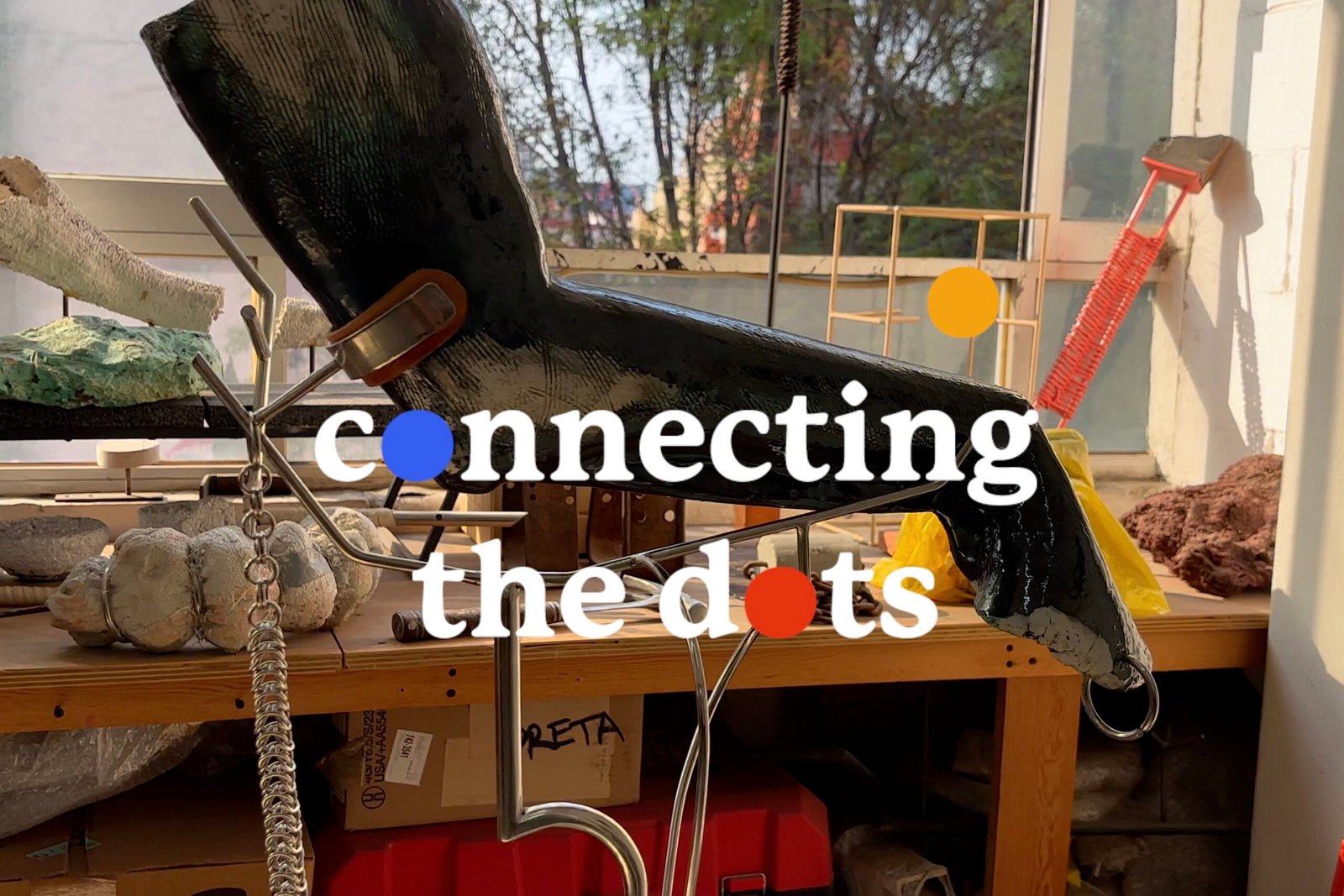
In this conversation George speaks with Yeni Mao in his Mexico City studio. This episode is released to coincide with Mexico City Art Week 2026 when Yeni will be exhibiting with Brooke Benington at the Material Art Fair as well as other projects across the city. They the importance of communities and subcultures in his sculpture practice and his artistic journey, including living and working in New York before moving to Mexico City and in doing so finding a new and growing audience for his work.